
Evacuating With an Ignition Interlock: A Support-First Plan for Hurricanes, Floods, and Severe Weather
Disclaimer
The information in this blog is for general informational purposes only. Information may be dated and may not reflect the most current developments. The materials contained herein are not intended to and should not be relied upon or construed as a legal opinion or legal advice or to address all circumstances that might arise. You should contact your attorney to obtain advice with respect to any particular legal matter. Only your individual attorney can provide assurances that the information contained herein – and your interpretation of it – is applicable or appropriate to your particular situation. Links to any third-party websites herein are provided for your reference and convenience only; RoadGuard Interlock does not recommend or endorse such third party sites or their accuracy or reliability. RoadGuard Interlock expressly disclaims all liability regarding all content, materials, and information, and with respect to actions taken or not taken in reliance on such. The content is provided “as is;” no representations are made that the content is error-free.
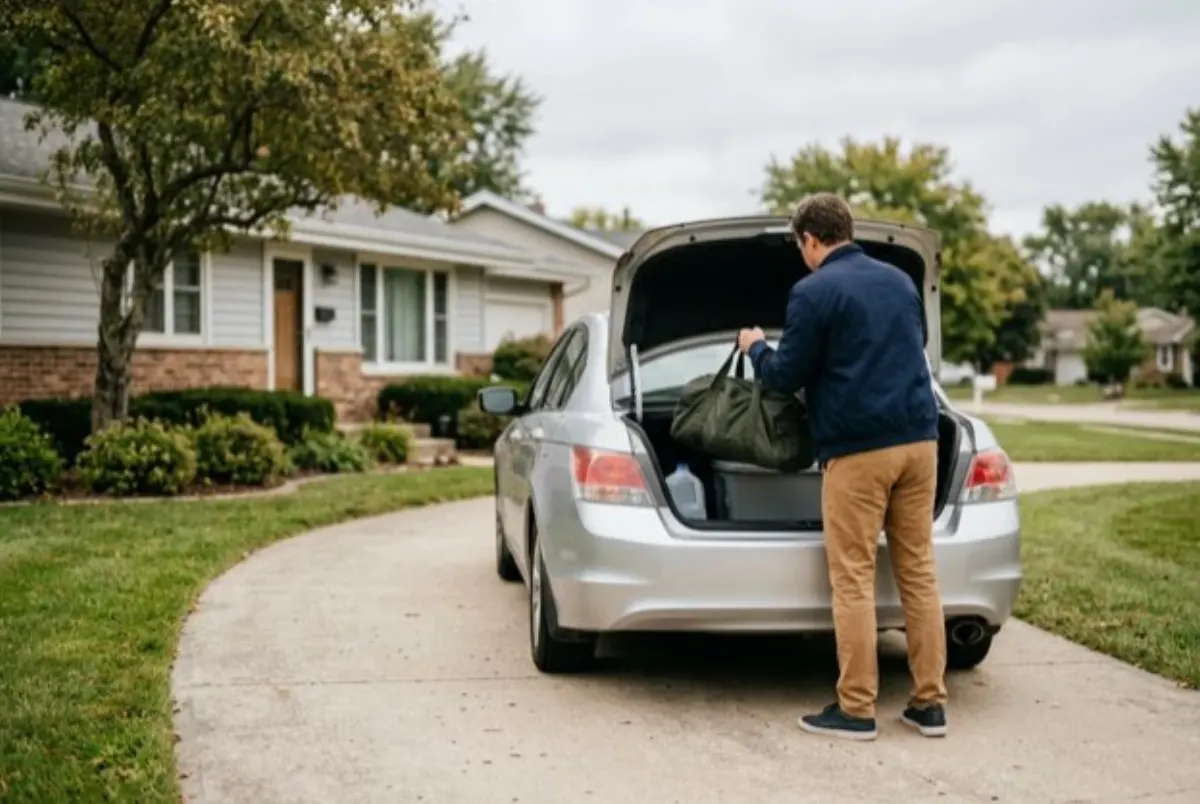
Evacuating with an ignition interlock doesn’t change what emergency officials tell you to do, but it adds a few calls to your plan. Before a storm, call RoadGuard support at 1-833-545-0368 about any service visit that falls in the forecast window, and write down your monitoring authority’s contact details. After a flood, call support before you drive.
The device keeps working the way it always does while the weather turns. Start-up tests, rolling retests and service reminders carry on through a hurricane watch, and your reports still go to the monitoring authority that reviews your case.
After a storm, the questions a monitoring authority may ask are about records: which service center closed, on what date, and who at support took your call. A few calls made while the forecast is still a forecast, and a written note of each one, give you those answers.
Before the Storm: What to Line Up With RoadGuard Support
The best time to call support is while the storm is still days away. Check when your next calibration or service visit is due, and if the date could land during the storm or an evacuation, call RoadGuard support at 1-833-545-0368 early and ask what your options are for your state and your program.

Your device reminds you of upcoming appointments, and the interlock calibration appointment is where a technician downloads your data, checks the device and books the next visit. A missed appointment can put the device into a service lockout, so check the date on your screen as soon as a storm is forecast.
When you call, have these ready:
- Your name and the phone number on your account
- The vehicle the device is installed in
- The date of your next service visit
- Where you expect to go if you evacuate
- The name of the court, Department of Motor Vehicles (DMV) or program office that monitors your case
Support can explain what applies to your situation. Every program is set up differently, so the answer you get for your state and your case is the one to plan around.
Next, write down how to reach your monitoring authority, the office that receives your interlock reports. That might be a probation officer, a state interlock program or the DMV. Put its phone number, email address and your case number somewhere that works without power or a signal. A handwritten card in the glove box and a note saved on your phone cover both cases, since phones die and cell service can drop for days after a storm.
A hurricane usually gives several days of warning. A tornado, a flash flood or a fast-moving wildfire can give minutes, and in that case there’s no time to call anyone before you leave. The card in the glove box and the numbers saved in your phone are the plan for those storms, so set them up once and they’re ready for any of them.
Your Checklist for Evacuating With an Ignition Interlock
An interlock adds a short list to the evacuation kit you’d pack anyway. Keep these items together so you can grab them in one trip:
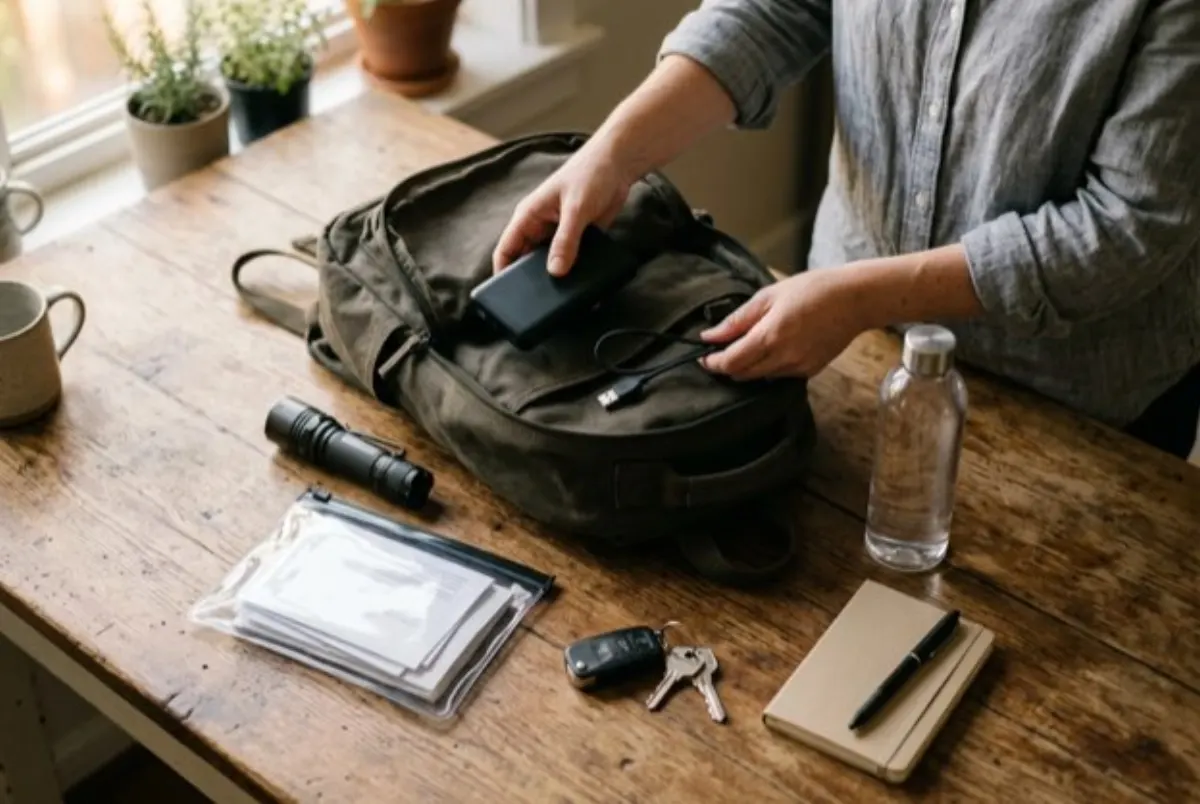
- The RoadGuard support number, 1-833-545-0368, written down as well as saved in your phone
- Your monitoring authority’s office name, phone number and email address, plus your case number
- The date of your next service visit and the address of your usual service center
- Copies of your installation record, your most recent service receipt and any court or DMV order
- A phone charger, a car charger and a backup battery, so you can make and take calls on the road
- Your reading glasses, within reach of the driver’s seat, if you need them to read the handset’s screen
- The address of the nearest RoadGuard service center to where you’re going, if one is nearby
Paperwork is easy to leave behind in a hurry. Keep copies in a waterproof pouch and a second set saved to your phone or a cloud account, and if a document has already gone missing, the steps for replacing lost interlock paperwork start with a call to your provider.
The general evacuation basics apply to you too. Keep a full tank of gas if an evacuation seems likely and at least half a tank at all times, because gas stations may be closed or unable to pump during power outages. Leave early enough to avoid being trapped by severe weather, and follow recommended evacuation routes rather than shortcuts, which may be blocked. A standard emergency supply kit already includes a cell phone with chargers and a backup battery, plus copies of important documents kept electronically or in a waterproof, portable container.
What If Your Interlock Service Visit Can’t Happen?
Service centers can close during a hurricane or a flood, and roads to them can close too. Call RoadGuard support as soon as you think you’ll miss a visit, before the date passes rather than after, and ask what your options are for rescheduling it. If you’ve evacuated to another city or state and your service date is coming up, ask about service centers near where you’re staying.
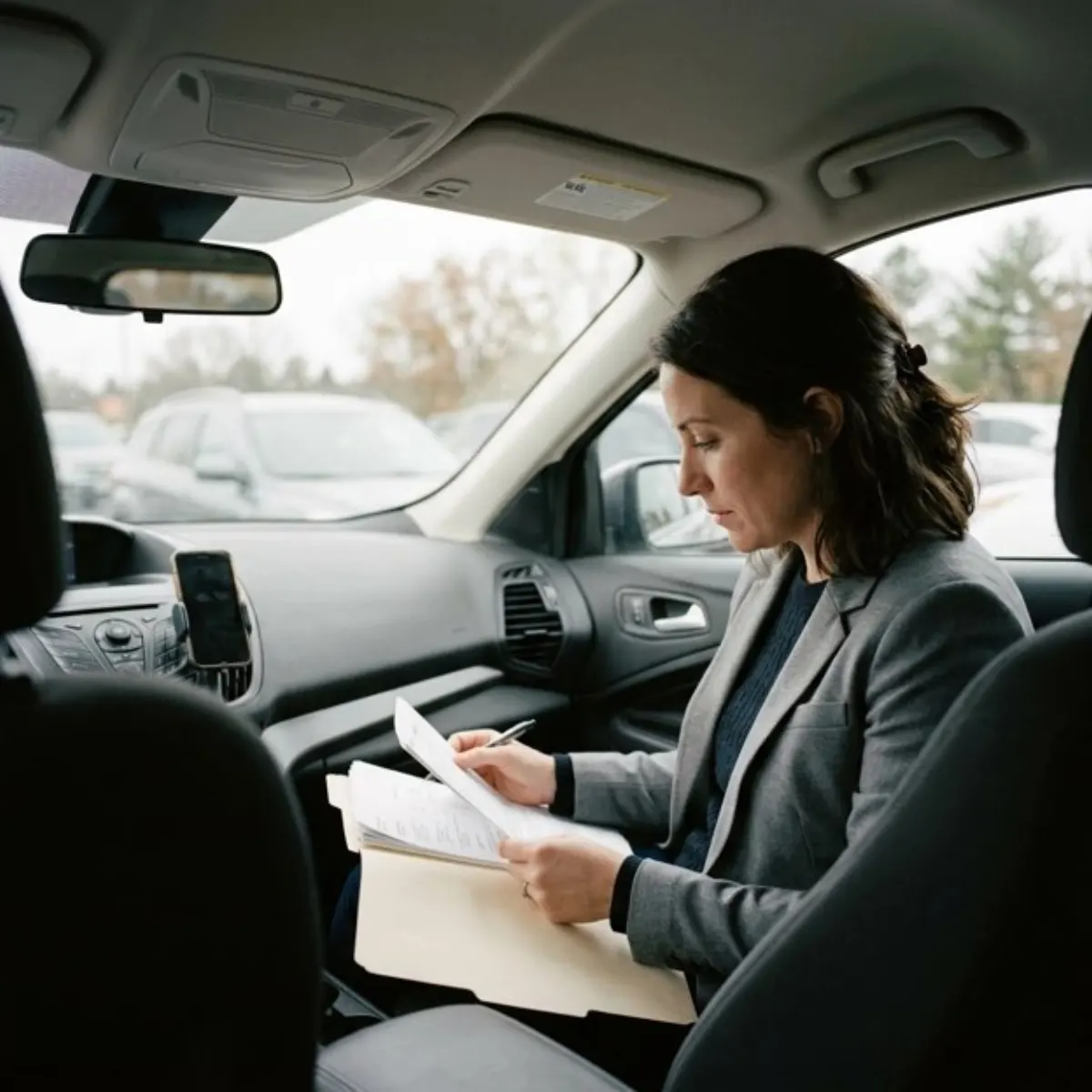
Keep a simple record while it’s happening:
- The date and time the service center closed, or the evacuation order for your area, with a screenshot or photo if you can get one
- Who you spoke with at support, when, and what they told you
- When and how you told your monitoring authority
Then tell your monitoring authority yourself, and don’t assume anyone else will pass the message along. If the office has an online portal or accepts email, send a written message as well as calling, so there’s a dated record on their side too. When a power or phone outage keeps you from reaching them, log each attempt with the date and time, keep trying other channels, and send your records as soon as service comes back.
Support works on the device side, and the monitoring authority decides how your case is handled. Violations are determined by your monitoring agent or your state program’s requirements, so how a missed visit during a disaster is treated depends on your state and your monitoring authority. An early call is what gives you options.
On the Road During an Evacuation With an Ignition Interlock
An evacuation drive is still an interlock drive. The device asks for a breath sample before the engine starts, and rolling retests still come up while you’re on the road, so plan the drive sober from the start and give yourself time to pull over safely when a retest comes up.
Follow the instructions of emergency officials over anything else, including the route you planned. Never drive into floodwater. As little as 12 inches of rushing water can carry away most cars, 2 feet can carry away sport utility vehicles (SUVs) and trucks, and a road under water may have collapsed. Turn around and find another way.
If your plan involves driving a car without an interlock, such as a relative’s vehicle, ask your monitoring authority first. Your restriction determines which vehicles you’re allowed to drive, and the rules on driving a borrowed car with an interlock restriction differ from one state and program to the next. A seat as a passenger, with someone else driving, is one way to leave without the question coming up at all.
If Your Car and Interlock Have Been in Floodwater
If your car has been sitting in or driven through floodwater, don’t try to start it, and don’t let anyone work on the interlock. Call your insurance company and RoadGuard support at 1-833-545-0368 before anything else.

The vehicle and the device both need to be checked by professionals, and support will explain the next step for the device. Your insurer handles the car. Photograph the damage before anything is moved, and keep those photos with your claim.
The ignition interlock insurance claims guide covers how coordination between your insurer, repairs and your device provider generally works. If the insurer declares the car a total loss, your interlock requirement doesn’t end with the car, and the process to transfer your interlock device to a new vehicle starts with the same call to support. Tell your monitoring authority about the damage and the claim as well, and keep the claim number with the rest of your records.
After the Storm: Getting Your Interlock Back on Schedule
Return home only when authorities say it’s safe, and expect service centers to reopen on their own timelines. Once you’re back, call support to book any service visit you missed and to confirm the date of your next one.
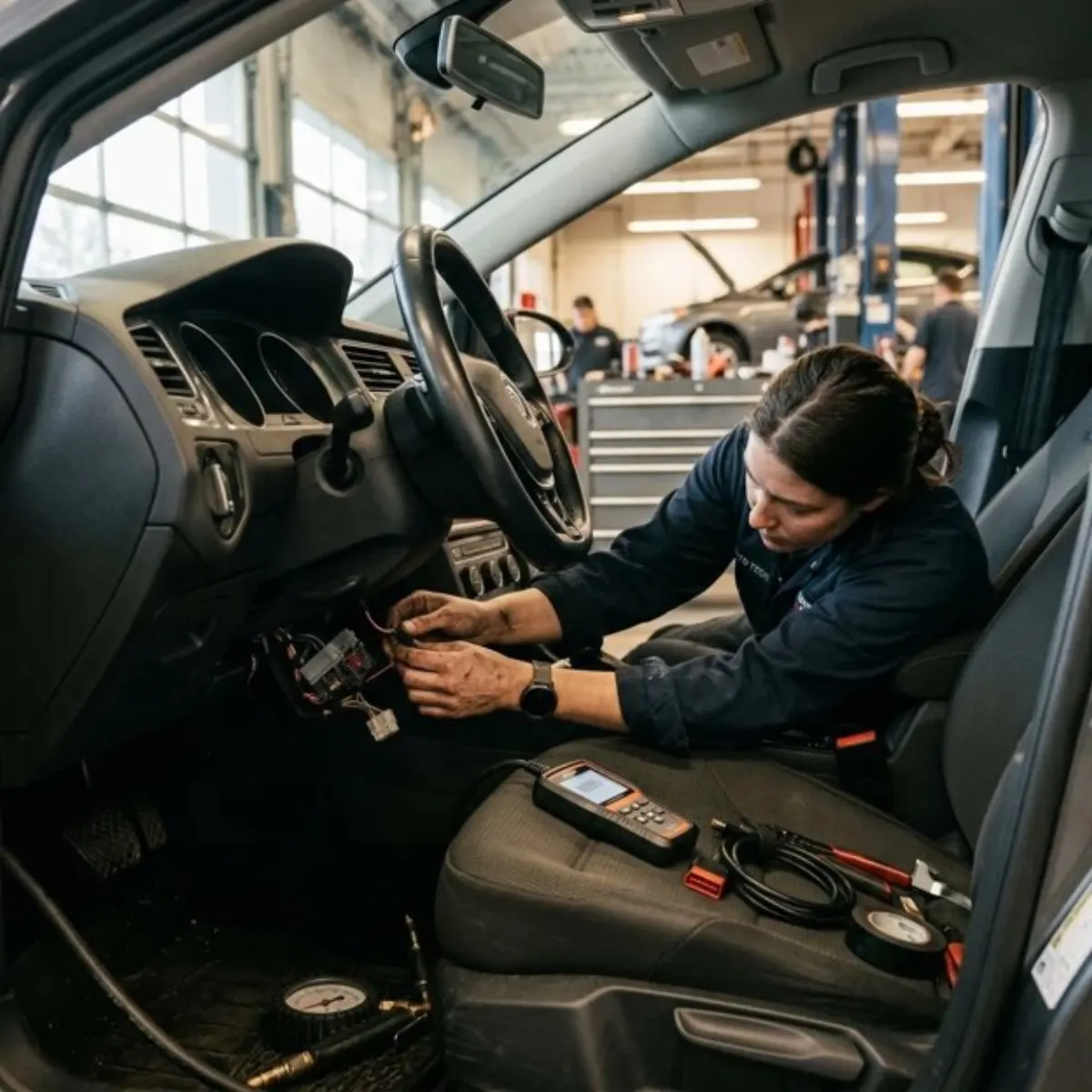
Bring your storm record to that visit and keep a copy for your monitoring authority. It should hold the closure dates, your evacuation order, your calls with support and any insurance claim number. If the monitoring authority asks what happened, you can answer with dates and names rather than from memory.
If the car sat unused for days or weeks, the device may not have sent any data during that stretch, and your storm record explains the gap. Ask support to confirm that your records reached the server once the device is back in use. For a lockout or a start-up problem at any point, the guide to emergency situations with your ignition interlock covers what to do and who to call. Anything that doesn’t look normal on the device’s screen is a question for support.
Frequently Asked Questions About Evacuating With an Ignition Interlock
Can I Bypass My Ignition Interlock in an Emergency?
No. The device can’t be bypassed, paused or switched off for an emergency, and monitoring programs can treat an attempt to get around the device as a violation. In a life-threatening situation, follow the instructions of emergency officials first, which can include leaving with someone else. As soon as it’s safe, call RoadGuard support at 1-833-545-0368 and tell your monitoring authority what happened.
What If My Interlock Service Center Is Closed Because of a Hurricane?
Call RoadGuard support as soon as you know the service center is closed or you think you’ll miss your visit, and ask what your options are. Write down the closure date, who you spoke with and what they said, then tell your monitoring authority. How a missed visit is treated depends on your state and your program, so an early call gives you the most room to plan.
What Should I Do If My Car and Interlock Are Damaged by Flooding?
Don’t start the car and don’t let anyone work on the device. Call your insurance company and RoadGuard support before anything else, take photos of the damage, and let your monitoring authority know. The car and the device both need to be checked by professionals. If the car is a total loss, support can explain how the device moves to another vehicle.
Do I Need to Tell My Monitoring Authority I Evacuated?
Tell them. Your monitoring authority receives your interlock reports, and a missed visit or a gap in data is easier to explain when they already know you evacuated. Keep a record of when you called, who you spoke with and what you told them. If you aren’t sure who your monitoring authority is, your court order or DMV paperwork usually names the office.
What Should I Pack for an Evacuation When I Have an Interlock?
Pack the RoadGuard support number, your monitoring authority’s contact details and case number, the date of your next service visit, copies of your installation and service paperwork, and a phone charger with a backup battery. Keep the paperwork in a waterproof pouch with a second copy on your phone. Check the RoadGuard locations page for service centers near where you’re going.
Can I Drive a Different Car If I Have to Evacuate?
That depends on your restriction, and the answer comes from your monitoring authority, not from the emergency. Ask them before you plan to drive any vehicle that doesn’t have an interlock installed, since the rules for borrowed and shared cars differ from one state and program to the next. Riding as a passenger avoids the question.
Go Over Your Storm Plan With RoadGuard Support
A storm plan with an interlock is a few calls made early and a record kept as you go. If a hurricane, flood or wildfire could reach your area, contact RoadGuard Interlock or call support at 1-833-545-0368 to go over your service schedule and your options before the next storm.
Disclaimer: This article is provided by RoadGuard Interlock for general informational purposes only and is not legal, financial, or medical advice. DUI and ignition interlock laws, penalties, fees, and program requirements differ from state to state and county to county, and they can change at any time. Any costs, timelines, or figures mentioned are general estimates rather than quotes or guarantees. Please do not rely on this article as a statement of the law where you live. Confirm current requirements with your state DMV, the court handling your case, a licensed attorney, or RoadGuard Interlock directly before making decisions. Device features, pricing, availability, same-day installation, and any promotions referenced are subject to change, vary by location, and may not be offered in every state RoadGuard Interlock serves.