
Driving a Borrowed Car With an Ignition Interlock Restriction on Your License
Disclaimer
The information in this blog is for general informational purposes only. Information may be dated and may not reflect the most current developments. The materials contained herein are not intended to and should not be relied upon or construed as a legal opinion or legal advice or to address all circumstances that might arise. You should contact your attorney to obtain advice with respect to any particular legal matter. Only your individual attorney can provide assurances that the information contained herein – and your interpretation of it – is applicable or appropriate to your particular situation. Links to any third-party websites herein are provided for your reference and convenience only; RoadGuard Interlock does not recommend or endorse such third party sites or their accuracy or reliability. RoadGuard Interlock expressly disclaims all liability regarding all content, materials, and information, and with respect to actions taken or not taken in reliance on such. The content is provided “as is;” no representations are made that the content is error-free.
A borrowed car interlock scenario catches more drivers off guard than almost any other restricted-license situation. Your friend offers you the keys for a quick errand, and you hesitate. Your license says you can drive, but only with an approved ignition interlock device installed in the vehicle. The friend's car doesn't have one.
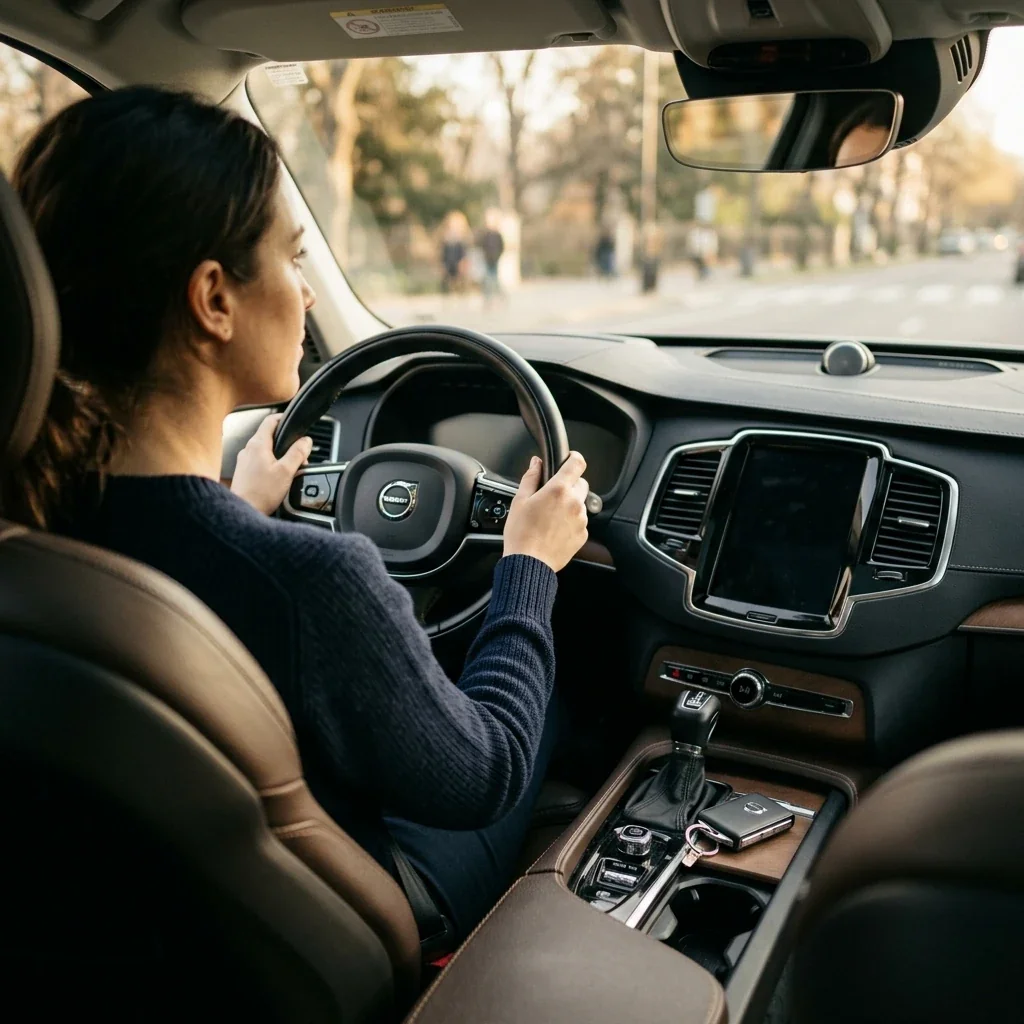
That split-second decision carries real consequences. Most people with an interlock restriction understand they need the device in their own car. Far fewer realize the restriction doesn't just apply to the vehicle they own. In most states, it follows them into every driver's seat they occupy. One note first: restriction wording and exceptions vary by state, so confirm your specifics with the court or DMV that issued your restriction.
Can You Drive a Borrowed Car Without an Interlock?
The short answer in nearly every state: no. When a court or DMV issues a restricted license requiring an ignition interlock device, that requirement generally attaches to you as the driver, not to a specific vehicle. If the car you're about to drive doesn't have a properly installed and calibrated IID, getting behind the wheel likely violates your license terms.
This surprises people because the restriction feels vehicle-centric. After all, you had the device installed in your car. But the legal language commonly says you may only operate a motor vehicle equipped with an approved interlock, and "a motor vehicle" tends to mean any motor vehicle.
How the Restriction Follows the Driver
Think of it like a corrective-lens restriction on a standard license. You don't get to skip your glasses because you're driving someone else's car. Similar logic generally applies here. Your restricted license with interlock requirements governs what you must have present every time you drive, regardless of whose name is on the title.
State laws do vary in how they word the restriction, and a handful of jurisdictions may allow narrow exceptions for employer-owned vehicles with written documentation. But those exceptions typically require advance paperwork and approval. They generally don't cover casually borrowing a friend's sedan for a grocery run. Understanding how ignition interlock device laws work in your state helps you avoid unintentional violations.
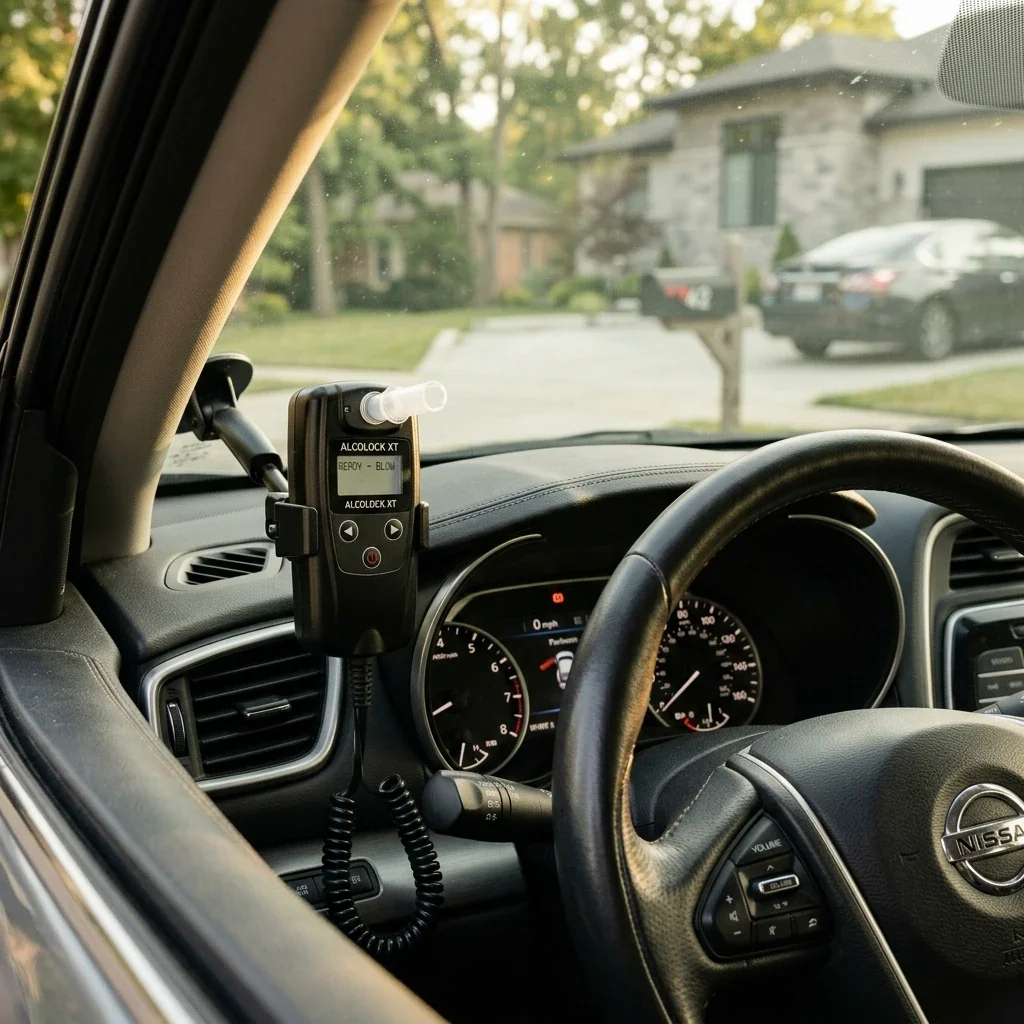
Driving a Borrowed Car Without an Interlock: What Triggers a Violation
Operating a non-equipped vehicle while under an interlock restriction counts as a license violation in most states. You don't need to fail a breath test or get pulled over for impaired driving. Simply being caught behind the wheel of a car without the device can be enough.
This is a more common mistake than people expect, and it's one that law enforcement can screen for during routine traffic stops. Driving a borrowed car without an interlock is a straightforward way to jeopardize a restricted license, even for an otherwise sober, careful driver.
Violations Go Beyond Failed Breath Tests
Many drivers assume that interlock violations only involve blowing over the limit. The reality is broader. Common violations include:
- Driving a vehicle not equipped with an approved IID
- Missing a scheduled calibration or service appointment
- Tampering with or attempting to bypass the device
- Failing or skipping a rolling retest while driving
Driving a borrowed car without an interlock falls squarely into that first category. And because compliance data often gets reported to your monitoring authority on a regular schedule, a traffic stop isn't the only way an issue can surface. If your interlock-equipped car shows no usage during a period when other records place you on the road, that discrepancy can raise questions.
Penalties You Face for Driving Without the Device
Consequences vary by state, but they tend to be serious because courts view this as a willful violation of a condition they specifically set. You're not just breaking a traffic rule. You're disregarding a court order designed to keep impaired drivers off the road.
Potential penalties can include:
- New criminal charges: Some states treat this as a separate offense
- Extended IID program: Your interlock requirement may restart or have months added
- License revocation: The restricted license that let you keep driving can be pulled entirely
- Jail time: Judges have discretion to impose incarceration for violating court-ordered conditions
- Increased fines: Additional financial penalties on top of existing DUI costs
Penalties differ widely by jurisdiction, so checking your specific state's rules with your DMV or attorney is worth the few minutes it takes.
The Vehicle Owner Can Get Dragged In Too
Here's a wrinkle most people overlook. The friend who lent you the car can also face consequences. If they knowingly allowed a restricted driver to operate their vehicle without the required device, some states may hold the vehicle owner partially responsible. At minimum, your friend's insurance rates could be affected if an incident occurs. In some jurisdictions, they could face charges for aiding a license violation.
What If You Don't Own a Car but Have an IID Requirement?
This is one of the most common and frustrating situations. A court orders you to install an interlock, but you don't own a vehicle. You might rely on public transit, ride-shares, or borrowing cars from family. So what are you supposed to do?
Several states allow a no-vehicle exemption or deferral. You submit proof that you don't own or have regular access to a vehicle, and the interlock requirement can sit dormant until your circumstances change. However, the moment you need to drive again, you must install the device in whatever vehicle you'll be using before you get behind the wheel.
Installing an Interlock in Someone Else's Vehicle
If a family member or friend is willing, you can arrange to have an IID installed in their car. This requires the vehicle owner's written consent, and they should understand that every driver of that vehicle will need to use the device, not just you. The process for other people driving a car with an ignition interlock is straightforward, but it does affect their daily routine.
The vehicle owner generally won't face negative marks on their own driving record from the installation itself. The device simply requires every driver to provide a clean breath sample before starting the car. For many families, this is a practical workaround that keeps the restricted driver legal without requiring a vehicle purchase.
Work Vehicles, Rentals, and Edge Cases
Employer-owned vehicles represent the one area where some states carve out limited exceptions. If your job requires driving a company vehicle, you may be able to petition the court or DMV for a work-vehicle exemption. This typically requires a signed letter from your employer confirming awareness of your restriction and consent to have you drive their vehicle without an IID.
Not every state allows this, and even those that do impose strict documentation requirements. You'll usually need to carry the exemption paperwork any time you drive the work vehicle. Rental cars rarely qualify for any exemption, because rental agencies seldom consent to IID installation, and driving a rental without one can violate your restriction the same way borrowing a friend's car does.
For a step-by-step look at how your state handles the licensing side, the guide on getting your restricted license with an ignition interlock covers the documentation and approval process, and this overview of driving with a restricted license adds helpful context.
How to Protect Your Path Back to a Full License
Every violation during your interlock period can push full license reinstatement further away. The goal is to complete your program cleanly so you can move on. That means treating the restriction as absolute: if the car doesn't have your interlock, you don't drive it. Full stop.
A few practical steps keep you on track. First, verify your state's exact restriction language with the court or DMV that issued it, rather than relying on secondhand advice. Second, if you regularly need access to a vehicle you don't own, explore getting the device installed in that car with the owner's permission. Third, keep all exemption paperwork current and accessible if you have an approved work-vehicle exception.
RoadGuard Interlock operates service centers in the many states it serves and can help coordinate installation in a vehicle that isn't yours, as long as the owner provides consent. With a Dräger device, which is one of the faster to warm up, the daily impact on the vehicle owner stays minimal. The sooner you set up a compliant arrangement, the sooner your restricted period ends without setbacks.
Frequently Asked Questions
How can I confirm whether my state has any exceptions for driving a vehicle without an IID?
Start with your state DMV website and the exact wording on your restricted license or court order, then call the issuing agency to confirm how they interpret it. If an exception exists, ask what documentation is required and whether you must receive approval before driving.
If I occasionally share a car with someone, is it better to add an IID or get a separate vehicle?
It depends on how often you need to drive and how comfortable the other driver is using the device. Compare the total costs, scheduling impacts, and the likelihood of missed drives, then choose the option that minimizes compliance risk.
Will installing an IID affect the other driver's ability to use the car normally?
The vehicle can still be driven by others, but they must follow the same startup and retest routine. Before installing, discuss household logistics like school drop-offs, early commutes, and who is responsible for keeping the mouthpiece and unit in good condition.
What should I do if someone asks me to move their car a short distance but it has no interlock?
Do not drive it, even for a quick reposition, because the restriction is generally tied to you, not the trip length. Offer alternatives like having the owner move it, arranging a ride, or using a vehicle that is properly equipped.
Can I use a rental car if I have an interlock restriction and need to travel?
Plan on not driving, since most rental situations are not compatible with IID requirements. Consider alternatives such as ride-shares, taxis, public transportation, or having an eligible driver handle the rental.
How do I avoid confusion if my restricted license status is questioned during a traffic stop?
Keep a printed copy of your restriction terms and any approved exemption paperwork in the vehicle, along with your current registration and insurance. If your state offers an online driver record portal, periodically confirm your status so you can quickly address any discrepancies.
What steps should I take before installing an IID in a vehicle owned by someone else?
Confirm the owner is willing to sign consent forms and ask the provider what documents are needed, such as registration, proof of insurance, and acceptable identification. Also agree in advance on responsibilities for appointments, fees, and what happens if the owner later wants the device removed.
Stay Compliant and Stay on Track
Borrowing a car without your interlock installed isn't a gray area. In nearly every state, it's a clear violation that risks new charges, program extensions, and license revocation. The restriction generally follows you as a driver, not the vehicle you happen to own.
If you don't own a car or need access to a second vehicle, practical solutions exist. Getting the device installed in another person's car, applying for a no-vehicle exemption, or securing a documented employer exception can all keep you within the law. The key is handling the paperwork before you turn the key.
Ready to get set up in the right vehicle? Contact RoadGuard Interlock today to schedule your installation with certified technicians in the many states it serves, and ask about any current promotions for new customers, since offers vary by location. The team makes the process straightforward so you can focus on completing your program and getting back on the road.
Disclaimer: This article is provided by RoadGuard Interlock for general informational purposes only and is not legal, financial, or medical advice. DUI and ignition interlock laws, penalties, fees, and program requirements differ from state to state and county to county, and they can change at any time. Any costs, timelines, or figures mentioned are general estimates rather than quotes or guarantees. Please do not rely on this article as a statement of the law where you live. Confirm current requirements with your state DMV, the court handling your case, a licensed attorney, or RoadGuard Interlock directly before making decisions. Device features, pricing, availability, same-day installation, and any promotions referenced are subject to change, vary by location, and may not be offered in every state RoadGuard Interlock serves.