Interlock Test the Morning After Drinking: How Long Alcohol Stays on Your Breath
Disclaimer
The information in this blog is for general informational purposes only. Information may be dated and may not reflect the most current developments. The materials contained herein are not intended to and should not be relied upon or construed as a legal opinion or legal advice or to address all circumstances that might arise. You should contact your attorney to obtain advice with respect to any particular legal matter. Only your individual attorney can provide assurances that the information contained herein – and your interpretation of it – is applicable or appropriate to your particular situation. Links to any third-party websites herein are provided for your reference and convenience only; RoadGuard Interlock does not recommend or endorse such third party sites or their accuracy or reliability. RoadGuard Interlock expressly disclaims all liability regarding all content, materials, and information, and with respect to actions taken or not taken in reliance on such. The content is provided “as is;” no representations are made that the content is error-free.
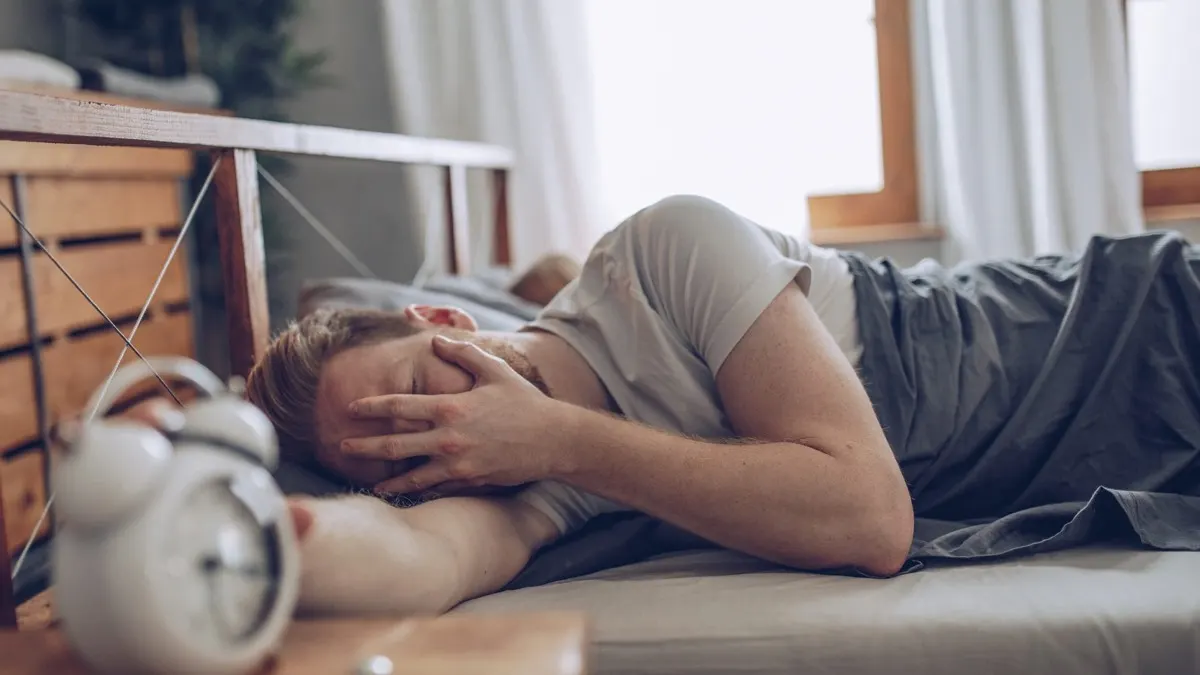
Last night you had what you know was one too many and had to get a cab home. It’s now the next morning, and you’re a bit hungover.
Can you drive?
Will you still fail an interlock test?
So how long does alcohol stay on your breath for an interlock? Until your body has cleared it from your bloodstream, and after a heavy night that can run well into the next morning. Only time lowers it, and nobody can tell you in advance exactly how much time you need.
Most people assume that after they’ve slept it off, they’re fine. The fact is that you can fail an interlock test the morning after drinking, and the more you drank and the later you stopped, the more likely it is.
Can You Fail an Interlock Test the Morning After Drinking?
Yes. An interlock reads the alcohol on your breath at the moment you blow, whenever your last drink was. If your body is still processing last night’s drinks, the device can find that alcohol when you start the car in the morning.
Your breath sample reflects your blood alcohol concentration, and that level doesn’t start falling the moment you put the glass down. Alcohol still in your stomach and intestines keeps entering your bloodstream (even while you sleep), so your BAC can continue to rise after you’ve stopped drinking.
Body weight, food, how fast you drank and your overall health all change how long that takes, and they’re different for every driver. That’s why there’s no number of hours anyone can promise will get you under your device’s limit. The general guidance on how long to wait after drinking is a starting point, and it isn’t a guarantee that you’ll pass.
How Long Does Alcohol Stay on Your Breath for an Interlock?
Two things determine it: how much alcohol is still in your blood, and how low your device’s limit is. When you blow into an interlock, the air from deep in your lungs picks up alcohol from the blood passing through them, which is why a breath test can estimate blood alcohol. The difference between BAC and breath alcohol explains why a breath reading can stay above zero hours after you stop feeling the drinks.
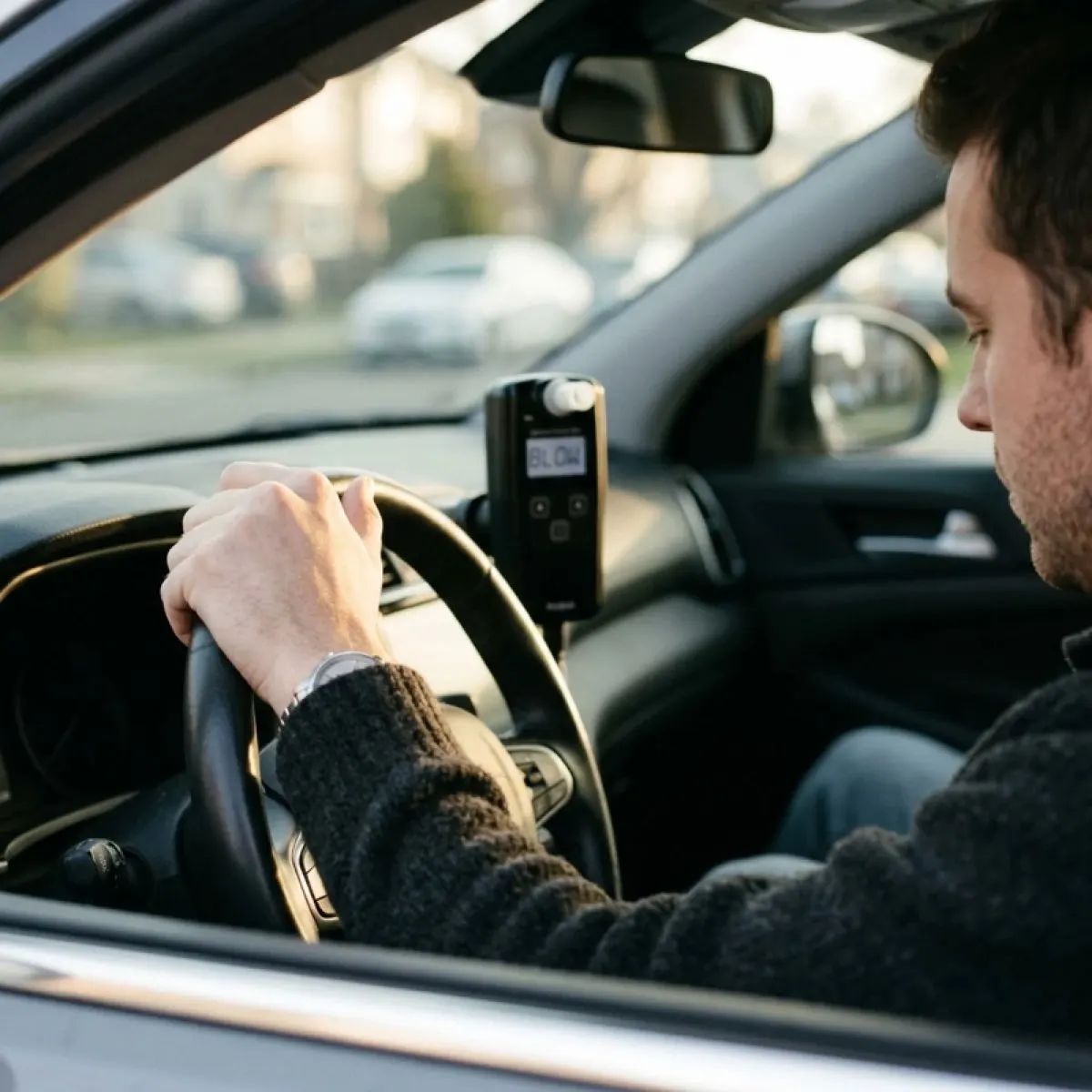
Every interlock is set to a level (the set point), and a sample above it doesn’t pass. Don’t forget that the limit for your interlock device is often low, and it may be close to zero. Your state or monitoring authority sets it, so a reading that would be legal for an ordinary driver can still fail on an interlock.
You can’t sober up any faster than your body processes alcohol. Drinking coffee may help you feel better, but it’s only masking your state, not stopping it. A cold shower won’t help either, and neither will a heavier, fattier breakfast.
Can You Drink at All With an Interlock Device?
The device itself doesn’t stop you from drinking. It stops the car from starting when it finds alcohol on your breath above its set point, and it requires more samples while you drive. Whether you’re allowed to drink at all is set by your court order or program. Some programs require you to avoid alcohol for the length of the requirement and others don’t, so check your paperwork or ask your monitoring authority.
Even where drinking is allowed, the interlock measures whatever alcohol is on your breath every time you blow, including during rolling retests on the road. In many programs, each result, pass or fail, is reported to your monitoring authority. The only reliable way to avoid a failed test is to not drink when you’ll be driving, including the next morning.
Other Reasons a Morning-After Test Can Fail
There are a couple of other reasons why you might fail a morning-after breath test:
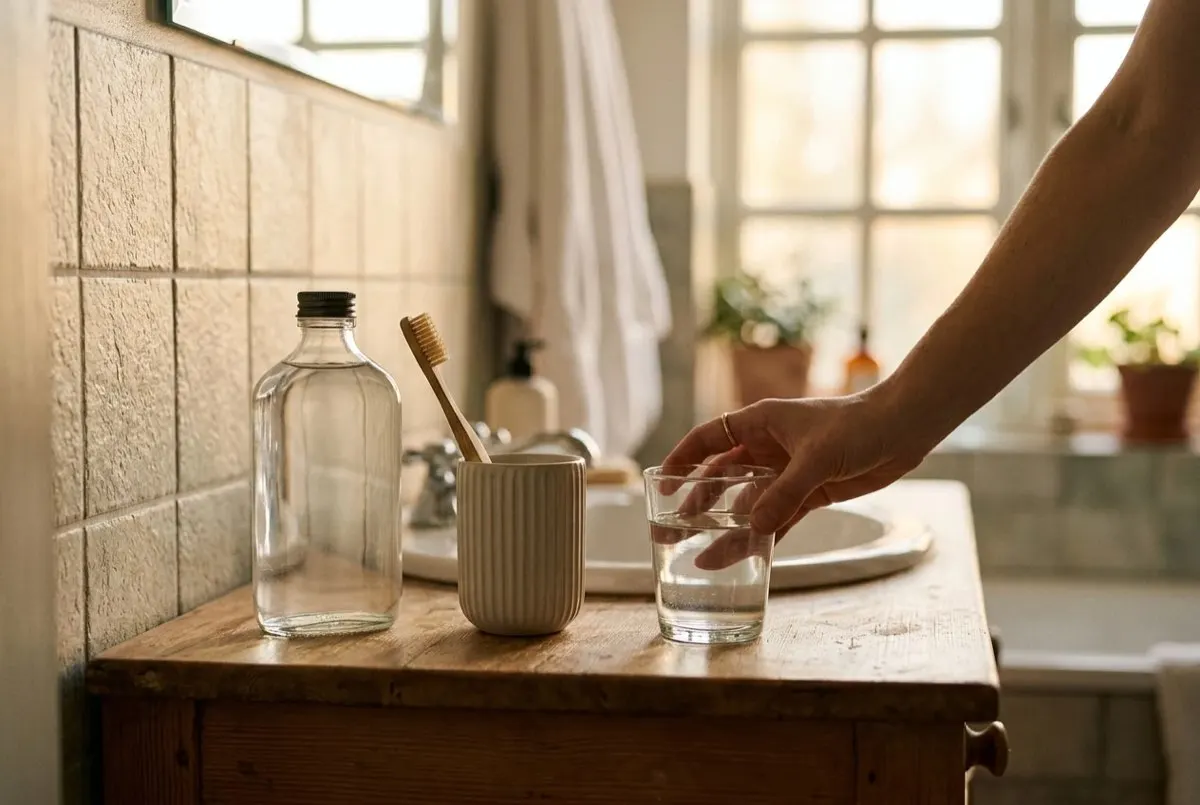
- You used mouthwash for the dry mouth that often follows a night of drinking. Alcohol-based mouthwash can cause a false reading if you test soon after using it, and an alcohol-free rinse avoids the problem. RoadGuard’s device is designed to tell breath alcohol from mouth alcohol, such as mouthwash. Check your user manual or call support to find out how long to wait after using it.
- You used another product with alcohol in it. Some breath sprays and liquid medicines (cough syrup is a common one) list alcohol as an ingredient. Check the label before you use one ahead of a test.
Generally, though, a failed test the morning after drinking means your body hasn’t finished processing the alcohol from the night before.
Is There a Way to Pass an Interlock Test After Drinking?
No. There’s no way to fool the system into thinking you haven’t been drinking. Mints and gum don’t lower the alcohol in your blood, so they don’t change what the device reads. Cheating an interlock device, whether by skipping a test or having someone else blow, is something many programs treat as a violation, and what follows depends on your state and your monitoring authority.
What passes is a breath sample with no alcohol above your set point, given the way your installer showed you. RoadGuard’s device uses a simple blow-suck breath test, so the test itself is quick once there’s no alcohol left to find.
Why It Isn’t Safe to Drive With a Hangover
Another thing to remember is that being hungover can also impair your ability to drive. During a hangover, your attention, decision-making and muscle coordination can all be affected. Symptoms peak as your blood alcohol concentration returns to about zero and can last 24 hours or longer, so passing an interlock test doesn’t mean the hangover is over.
There’s no cure for a hangover other than time. That’s why you should reserve drinking for nights when you don’t have anywhere in particular to be the next morning.
What to Do If a Morning Test Fails
Call RoadGuard support at 1-833-545-0368 before you do anything else. Whether a failed test counts as a lockout or violation depends on your state’s program and your monitoring authority, and support can explain what your device is showing.
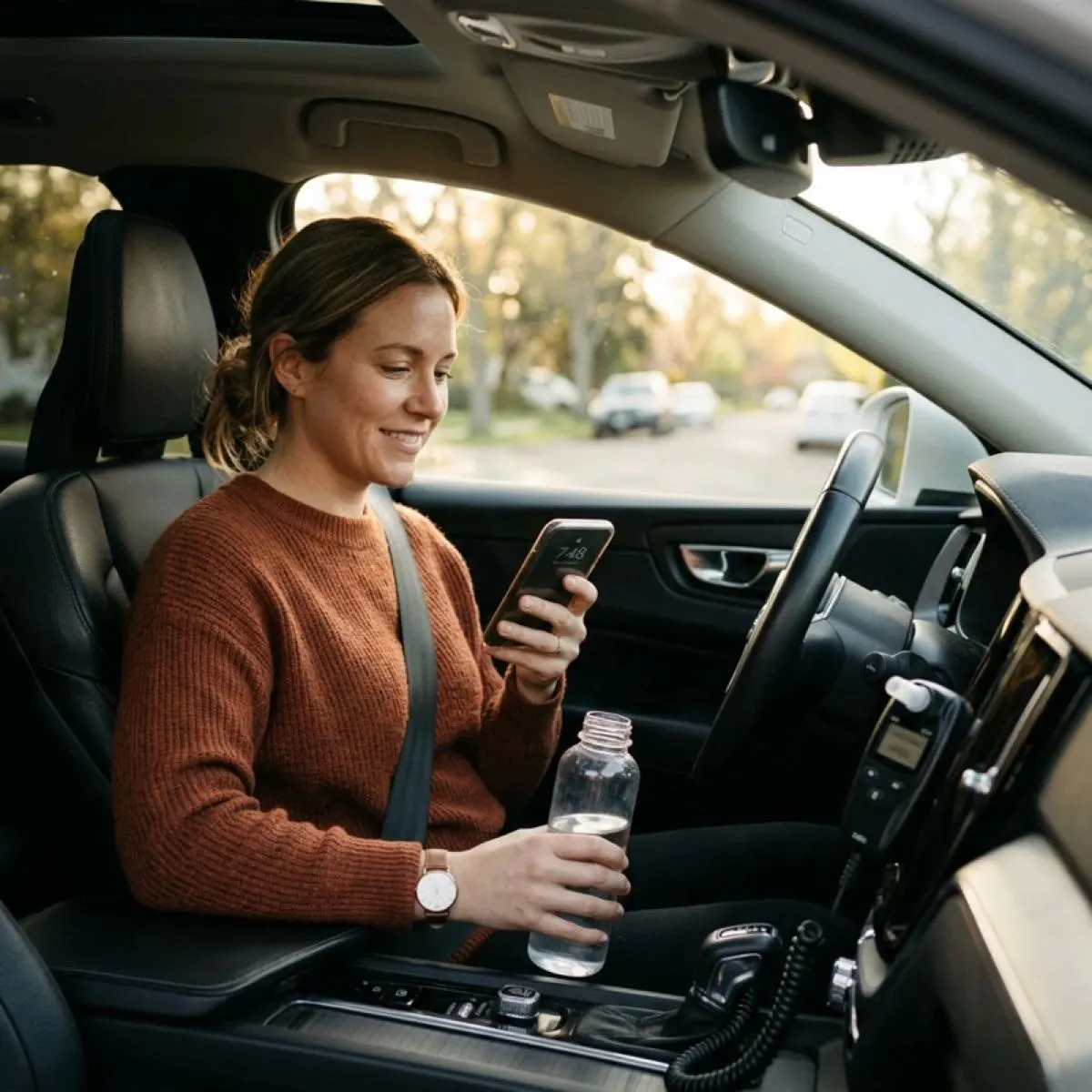
Have these ready when you call:
- The message on the device’s screen
- The time of the test
- Anything you ate, drank or used shortly before it, such as mouthwash
Don’t disconnect the device, and don’t let anyone else blow into it for you.
FAQs About How Long Alcohol Stays on Your Breath for an Interlock
How long does alcohol stay on your breath for interlock?
For as long as your body is still clearing alcohol from your blood, which after a night of heavy drinking can include the following morning. There’s no set number of hours, because the pace differs from person to person, and nothing you eat or drink speeds it up. The limit on your device, set by your state or program, also determines how small an amount still registers.
How long can an interlock system detect alcohol?
An interlock can detect alcohol whenever there’s enough on your breath to reach its set point, whether that’s at startup or during a rolling retest on the road. Because set points differ by program and some are close to zero, the device can register small amounts you no longer feel. There’s no fixed hour when that window closes; it ends when your body has processed the alcohol.
Can you have one drink with an interlock?
That depends first on your court order or program, since some require you to avoid alcohol entirely and others don’t. If drinking is allowed, the device will still measure any alcohol on your breath when you test, and one drink can register if you test before your body has processed it. The safe approach is to avoid drinking before you drive, even one.
Will 1 sip of alcohol show up on a breathalyzer?
It can. A sip leaves alcohol in your mouth, and a test taken shortly afterward can pick it up. RoadGuard’s device is designed to tell mouth alcohol from breath alcohol, but that isn’t a reason to take a sip before driving. Whether a small amount registers also depends on timing and your program’s set point, so the only safe amount before a test is none.
How long after you stop drinking can you pass an interlock device?
No one can give you a reliable number. The time it takes depends on how much you drank, over how long, whether you ate, your body weight and your health, and your BAC can keep rising for a while after your last drink. General guidance on waiting after drinking is a starting point, not a promise. If you’re unsure, don’t drive.
Is 5 hours enough to pass a breathalyzer?
No one can know in advance. Five hours can be enough for one person and nowhere near enough for another, depending on how much each one drank and over how long. Weight, food, pace of drinking and health all change the answer, and your device’s set point may be lower than you expect. If you have to guess, don’t drive.
How to pass an interlock test after drinking?
Wait until your body has cleared the alcohol, and accept that nobody can tell you exactly when that is. Products and tricks sold as ways to beat an interlock don’t lower your blood alcohol, and trying them can put your program at risk. If you’ve been drinking, plan another ride.
How to reduce alcohol for a breathalyzer test?
You can’t reduce it on demand. Your liver processes alcohol at its own pace, and coffee, water, food, exercise and a cold shower don’t speed that up. Some of those can help you feel more alert, which is a different thing from lowering your BAC. Time is the only thing that brings the number down.
What will fail an interlock device?
Any breath sample with alcohol above your set point, whatever the source. That’s usually alcohol still in your system from drinking, but alcohol-based mouthwash and some other products can cause a false reading if you test right after using them. In many programs, a missed rolling retest is also recorded as a violation. If you get a result you don’t expect, call RoadGuard support.
Get Help With Your Interlock
The safest plan is to not drink when you’ll be driving the next morning, so you don’t have to worry about how to pass interlock when drinking. If you have questions about a test result or your device, call RoadGuard Interlock at 1-833-545-0368. If a court or DMV has ordered an interlock, you can find a RoadGuard service center near you and schedule your installation.
Disclaimer: This article is provided by RoadGuard Interlock for general informational purposes only and is not legal, financial, or medical advice. DUI and ignition interlock laws, penalties, fees, and program requirements differ from state to state and county to county, and they can change at any time. Any costs, timelines, or figures mentioned are general estimates rather than quotes or guarantees. Please do not rely on this article as a statement of the law where you live. Confirm current requirements with your state DMV, the court handling your case, a licensed attorney, or RoadGuard Interlock directly before making decisions. Device features, pricing, availability, same-day installation, and any promotions referenced are subject to change, vary by location, and may not be offered in every state RoadGuard Interlock serves.