
Buying a Used Car With an Existing Ignition Interlock Installed
Disclaimer
The information in this blog is for general informational purposes only. Information may be dated and may not reflect the most current developments. The materials contained herein are not intended to and should not be relied upon or construed as a legal opinion or legal advice or to address all circumstances that might arise. You should contact your attorney to obtain advice with respect to any particular legal matter. Only your individual attorney can provide assurances that the information contained herein – and your interpretation of it – is applicable or appropriate to your particular situation. Links to any third-party websites herein are provided for your reference and convenience only; RoadGuard Interlock does not recommend or endorse such third party sites or their accuracy or reliability. RoadGuard Interlock expressly disclaims all liability regarding all content, materials, and information, and with respect to actions taken or not taken in reliance on such. The content is provided “as is;” no representations are made that the content is error-free.
Most people buying a used car worry about mileage, rust, and hidden engine problems. Almost nobody thinks to ask, "Why is there a small device wired into the dashboard with a mouthpiece attached?" Yet it happens more often than you'd expect. With many ignition interlock devices actively installed across the country, some of those vehicles end up on dealer lots and private-sale listings while the device is still physically present.

You can absolutely buy a vehicle that has an interlock installed. The complicated part is figuring out what happens next: Does the device belong to you now? Can the seller just rip it out before handing over the keys? And if you have your own interlock requirement, can you use the one that's already there? This guide walks through each scenario. One note first: rules vary by state and provider, so confirm the details with your provider and DMV.
Can You Buy a Used Car With an Interlock Installed?
Yes. No state prohibits you from buying a vehicle that currently has an ignition interlock device (IID) wired in. The interlock is tied to a person's court-ordered program, not to the vehicle's title or registration, and that distinction shapes everything that happens at the point of sale.
What the Device Means for the Seller
When someone sells a car with an IID still mounted, it usually signals one of two things: the seller is upgrading vehicles and plans to transfer the device, or the seller has completed their program and simply hasn't scheduled removal yet. In rare cases, the seller may not realize the device needs professional removal rather than a DIY yank from the wiring harness. As a buyer, your job is to clarify which scenario you're in. Ask the seller directly whether the interlock is still part of an active monitoring program, and if it is, the seller's provider needs to remove it and reinstall it on whatever vehicle the seller drives next. Don't finalize the purchase until removal is confirmed or at least scheduled.
What If You Have Your Own Interlock Requirement?
This is where buyers get tripped up. You can't simply adopt the previous owner's installed device for your own court-ordered program. Each IID is registered to a specific individual, calibrated on a set schedule, and reporting to that person's monitoring authority. Even if the hardware is identical to what you'd need, your state's DMV and your provider must set up a separate device linked to your compliance file. In short: the old device comes out, and a new one goes in under your name. Sorting that out before you sign the bill of sale saves days of frustration.
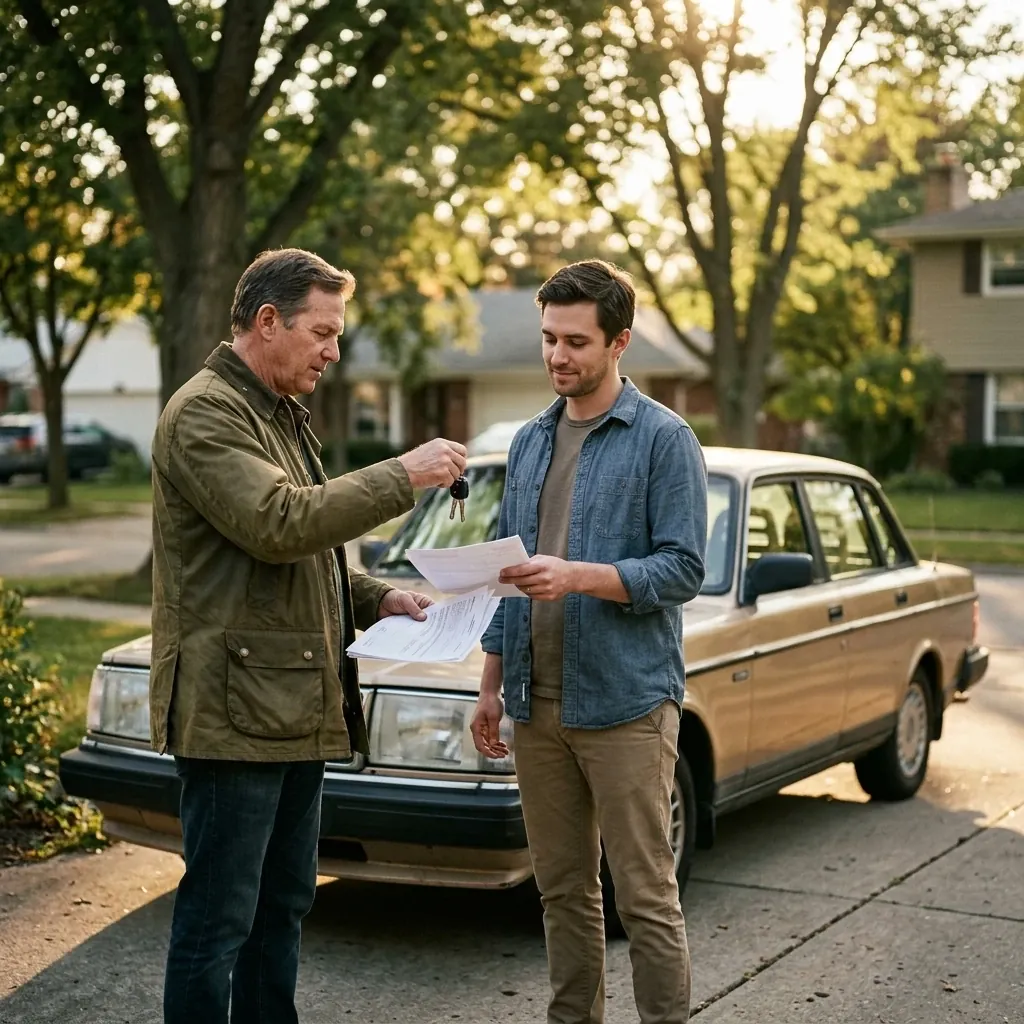
Pre-Purchase Checklist
A standard pre-purchase inspection won't cover interlock-specific concerns, so layer these on top of your usual mechanical review:
- Confirm active program status. Ask whether the device is still reporting to a court or DMV. If so, request proof that a removal appointment is scheduled before you close.
- Check the wiring. An improperly removed interlock can leave spliced wires, blown fuses, or a check-engine light. If the device is already out, have a mechanic verify the electrical system. Understanding whether an interlock can damage your car helps you know what to look for.
- Verify compatibility with your own program. Not every vehicle accepts an install without modification, so confirm with your provider that the make, model, and year meet interlock vehicle requirements before committing money.
- Sort out title and registration timing. Your state may require proof of IID installation before issuing a restricted license or completing registration, so know the sequence rather than getting stuck with a car you legally can't drive.
How a Transfer Works When You Change Vehicles
If you already have an interlock and you're buying a replacement, the transfer is straightforward but time-sensitive, since gaps in reporting can trigger violations. Start by calling your provider, giving them the year, make, and model of the car you plan to buy. They'll confirm compatibility and schedule the removal and reinstallation, sometimes back-to-back or even in a single visit if you bring both vehicles.
Next, notify your state's DMV or monitoring authority, since some states require updated paperwork when the device moves to a different VIN. Your provider typically handles compliance reporting, but the registration update often falls on you, so don't assume one call covers both. Finally, keep documentation of every step (appointment confirmations, removal receipts, installation certificates), because if a court or probation officer ever questions a gap in your data, a paper trail protects you.
Dealer Purchase vs. Private Seller
Dealerships generally handle interlock removal as part of reconditioning, and most won't put a car on the lot with someone else's IID still installed. If you do spot one, the dealer should coordinate removal at no cost to you before delivery. Private sales are messier: the seller may not realize only an authorized technician should remove the device, or may want you to "deal with it" after the sale. Resist that pressure. An interlock still actively reporting under someone else's name creates a tangle you don't want to inherit, so make removal a condition of the sale or negotiate a price reduction that covers a fresh device. It's also worth understanding who can legally drive a vehicle with an interlock so both parties know where they stand during the transition.
Costs, Fees, and Timing
Transfer and reinstallation costs vary by state and provider, so get current, itemized pricing rather than relying on a figure you saw online. Removal from the old vehicle and installation on the new one each carry a fee, while monthly monitoring and calibration continue uninterrupted regardless of the swap. Some providers waive the transfer fee if you stay within their network. In select states, RoadGuard Interlock offers a free-installation promotion for new customers, which can help offset switching vehicles mid-program; because promotions vary by location, check the current offer for your area. You can review a full breakdown of interlock device costs to compare what you're currently paying.
Timing is the hidden cost most people overlook. If your removal and installation appointments are days apart, you may be without a drivable vehicle, so ask your provider whether a same-day transfer is available near you.
Common Mistakes That Delay a Transfer
- Buying the car first, figuring out the interlock second. Once you own a vehicle you can't legally drive, you're paying insurance and a car payment on a paperweight. Always confirm installation availability before you close.
- Assuming you can just unplug and re-plug the device. Interlocks require professional calibration and vehicle-specific wiring, and tampering with the device yourself risks a violation that extends your program. Knowing how to properly use an interlock also reduces accidental violations once the new install is done.
- Skipping state notification. Many states now require interlocks for a wide range of DUI cases and scrutinize compliance paperwork closely, so failing to update your vehicle information with the court or DMV can result in a suspended license even though the device is installed and working.
State Rules vs. Provider Rules: Who to Contact First
This is where confusion runs highest. Your provider handles the hardware (removal, installation, calibration, data transmission), while your state's DMV or court handles the legal side (program enrollment, registration, compliance verification). These are two separate processes.
Always call your provider first. They can tell you whether your target vehicle is compatible, schedule appointments, and flag state-specific documentation you'll need. Then call your DMV or check your court order for transfer requirements, since some states require pre-approval before moving a device to a different VIN while others only need notification after the fact. Because an interlock is part of a court- or DMV-supervised program, transfer protocols tend to be strict. Working within the system protects both your driving privileges and public safety.
Frequently Asked Questions
What paperwork should I request from the seller if the car still has an interlock?
Ask for the seller's service agreement or program paperwork showing the provider name, plus recent service receipts indicating device status. You can also request written confirmation that a certified technician will remove it before delivery, including the appointment date and location.
Can an interlock drain the car battery while parked?
It can contribute to drain in some cases, especially if the battery is already weak or the car sits unused for long periods. Before buying, test the battery and charging system and ask whether the vehicle has had any no-start or dead-battery incidents.
What should I look for on a test drive to spot electrical issues?
Watch for intermittent power loss, flickering dash lights, warning indicators, or trouble starting after a short stop. Check that accessories like power windows, radio, and interior lights behave normally, since electrical gremlins often show up there first.
Is it safe to detail the interior if an interlock is still mounted?
Avoid spraying cleaners or excessive moisture around the handset, wiring, or control unit, since liquid intrusion can cause malfunctions. If you're detailing before removal, use lightly damp cloths and keep liquids away from vents, seams, and mounted components.
What if I later discover a provider contract tied to the seller?
Interlock obligations typically follow the person, but contract disputes can still create headaches like demands for equipment return. Protect yourself by making removal and documentation a written condition of sale, and confirm the seller has settled any provider obligations before closing.
Can I use the car before the interlock is removed if I don't have a requirement?
It depends on whether the device still controls the ignition and whether the seller's program is active, which can make driving impractical. If you need to move the vehicle, get clear written guidance from the provider or arrange transport rather than attempting to operate it yourself.
How do I tell if a dealer is handling an interlock-equipped trade-in responsibly?
Ask who will perform removal, whether the technician is certified, and whether you'll receive a post-removal inspection or electrical verification. A reputable dealer should provide documentation that the device and related wiring were addressed before you take delivery.
Drive Off the Lot With Confidence
Buying a used car with an interlock installed takes a few extra steps, but none are insurmountable. Confirm the device's status before you sign, coordinate removal and installation with your provider so there's no gap in compliance, notify your DMV, and budget for transfer fees. That's genuinely the whole playbook.
RoadGuard Interlock simplifies each part with certified technicians in the many states it serves and devices like the Dräger Interlock 7000, one of the faster devices to warm up. Whether you're transferring an existing device or starting fresh on a newly purchased vehicle, the team can walk you through each step. Schedule your install and get back on the road without the guesswork.
Disclaimer: This article is provided by RoadGuard Interlock for general informational purposes only and is not legal, financial, or medical advice. DUI and ignition interlock laws, penalties, fees, and program requirements differ from state to state and county to county, and they can change at any time. Any costs, timelines, or figures mentioned are general estimates rather than quotes or guarantees. Please do not rely on this article as a statement of the law where you live. Confirm current requirements with your state DMV, the court handling your case, a licensed attorney, or RoadGuard Interlock directly before making decisions. Device features, pricing, availability, same-day installation, and any promotions referenced are subject to change, vary by location, and may not be offered in every state RoadGuard Interlock serves.