
Does an Ignition Interlock Device Damage Your Car?
Disclaimer
The information in this blog is for general informational purposes only. Information may be dated and may not reflect the most current developments. The materials contained herein are not intended to and should not be relied upon or construed as a legal opinion or legal advice or to address all circumstances that might arise. You should contact your attorney to obtain advice with respect to any particular legal matter. Only your individual attorney can provide assurances that the information contained herein – and your interpretation of it – is applicable or appropriate to your particular situation. Links to any third-party websites herein are provided for your reference and convenience only; RoadGuard Interlock does not recommend or endorse such third party sites or their accuracy or reliability. RoadGuard Interlock expressly disclaims all liability regarding all content, materials, and information, and with respect to actions taken or not taken in reliance on such. The content is provided “as is;” no representations are made that the content is error-free.
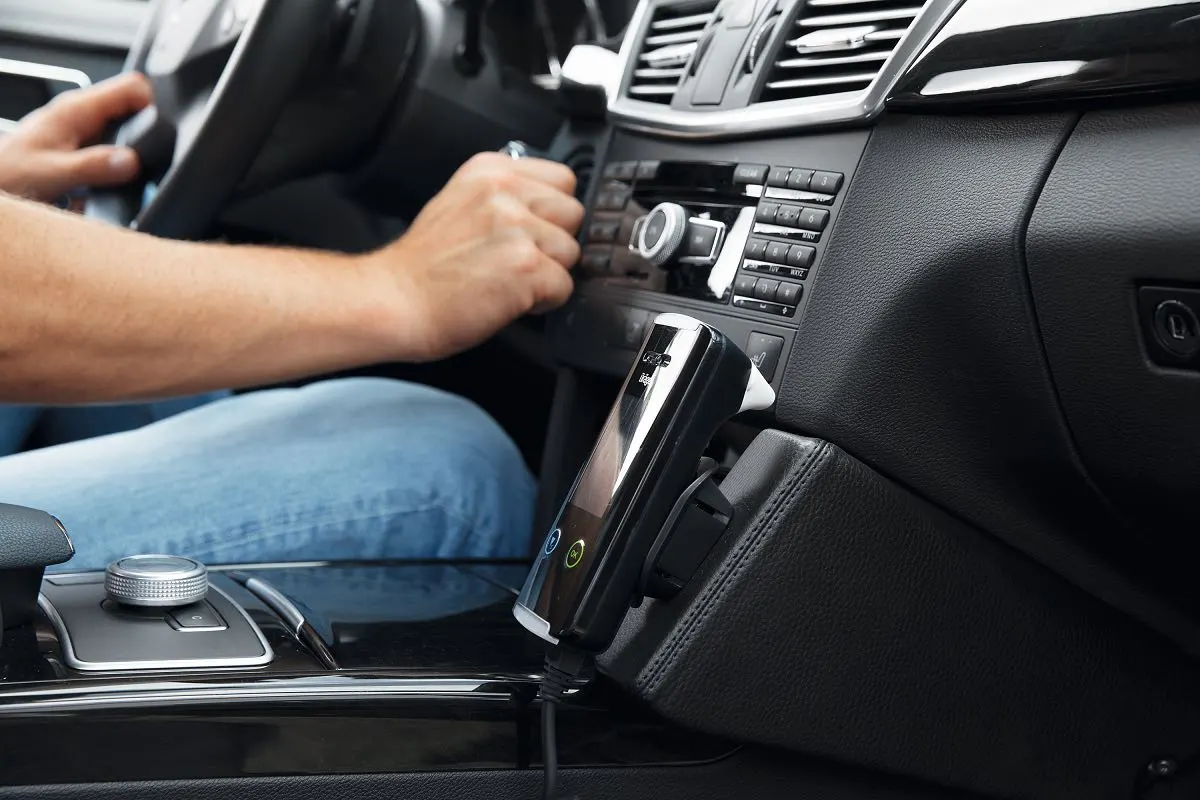
If you’re reading this, you might be required by your state to install an ignition interlock device (IID) in your vehicle due to a DUI or DWI. It’s a reasonable question to ask before the appointment: will this device hurt my car? And if you already drive with an interlock, a new electrical quirk or a slow start can make you wonder whether the device is behind it.
Here is the short version: a professionally installed interlock is designed to leave your vehicle exactly as it found it. The device connects to your ignition circuit without drilling or permanent modification, and it comes out the same way.
This article walks through how the device connects, what can actually cause car trouble, how to tell device behavior from car behavior, and exactly what to do if something feels off.
Will an Ignition Interlock Device Damage Your Car?
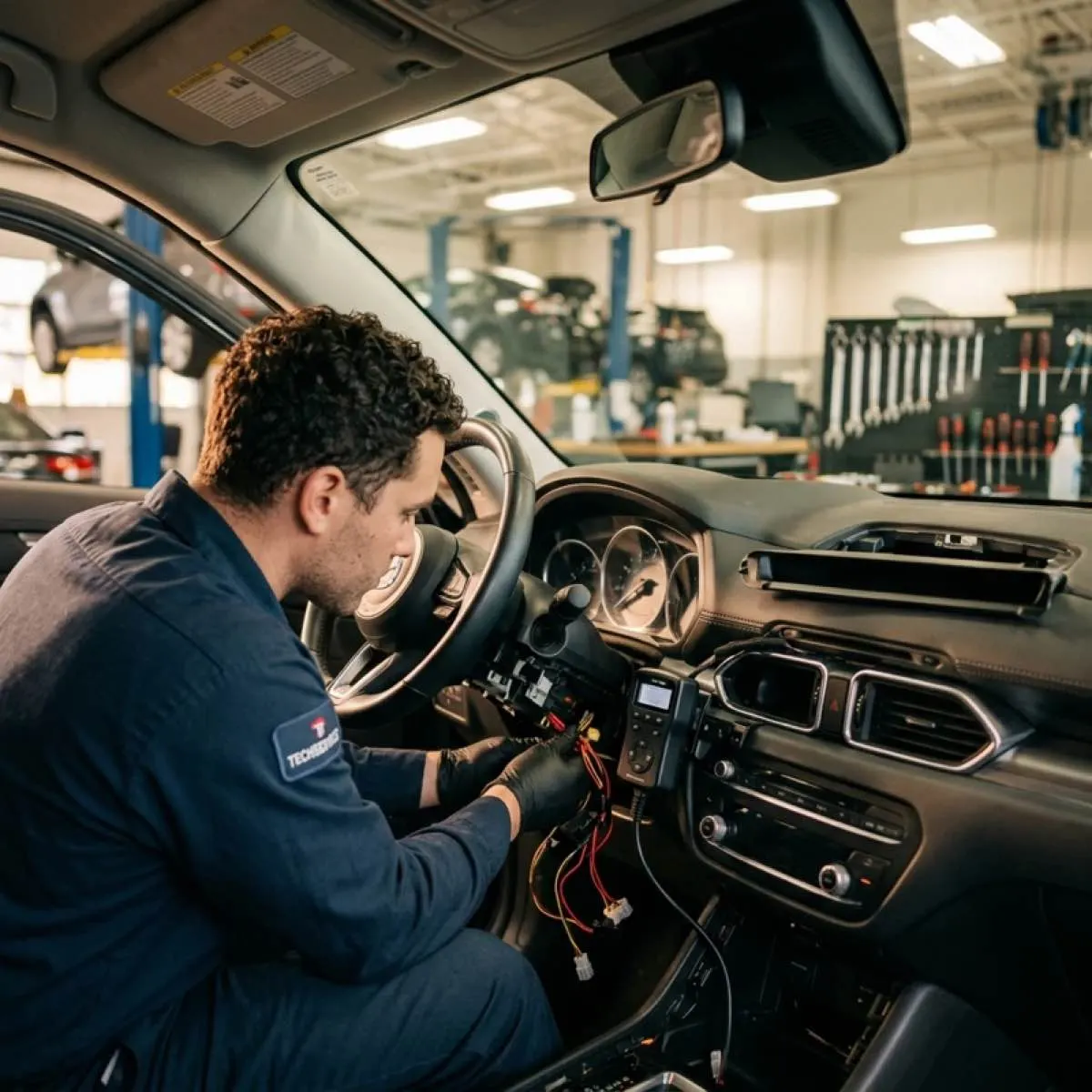
Generally, the answer is no. A properly installed ignition interlock does not damage your car’s engine, starter, battery, or electronics. Certified technicians connect the device to the ignition circuit in a way that is designed to be fully reversible. However, improper installation by an inexperienced technician can lead to issues, such as battery drainage. To avoid such problems, it’s essential to choose a reputable company for installation and ongoing maintenance.
It helps to remember why these devices exist and why they are built to a high standard. Research compiled by the Insurance Institute for Highway Safety shows that ignition interlocks reduce repeat impaired-driving offenses while they are installed. Because the device plays a safety role, providers are held to strict installation and service standards, and program rules vary by state, so your monitoring authority sets the specifics for your case.
The real risk to your vehicle almost never comes from the device itself. It comes from who installs it and how. That distinction explains most of the alarming stories you may have read online, and we will cover it in detail below.
How an Interlock Device Connects to Your Car
An ignition interlock connects to your vehicle’s ignition circuit so the engine will not start until you pass a breath test. It does not touch your engine, transmission, fuel system, or onboard computer. Here are some important points to remember:
- Affects Starting, Not Driving: The IID only affects the car’s ability to start, not its ability to drive.
- Wired, Not Drilled: The IID is wired to the ignition, avoiding any permanent damage.
- Cannot Turn Off the Car: Once the car is on, the IID cannot turn it off, even if a rolling retest is failed.
- No Permanent Modification: Nothing is cut away or removed from your vehicle. When your program ends, a technician restores the original connections.
One practical note: if your vehicle has a factory or aftermarket remote start feature, it typically needs to be disabled or limited while the interlock is installed, since a breath test must be taken before the engine starts. Your technician can explain how this applies to your vehicle.
What a Professional Installation Looks Like
Choosing a certified installer is the single biggest thing you can do to protect your vehicle. A professional ignition interlock installation follows a consistent process:
- Schedule an Appointment: Contact RoadGuard Interlock to book your installation.
- Vehicle Inspection: A certified technician will inspect your vehicle’s ignition system.
- Device Installation: The IID is wired to your ignition without any drilling.
- System Test: The technician will test the device to ensure it’s working correctly.
- Training: You’ll receive a brief training session on how to use the IID.
That inspection step matters more than most drivers realize. It gives the technician a chance to spot a weak battery, corroded terminals, or aftermarket wiring conflicts before the device goes in, which prevents most of the problems people later blame on the interlock.
What Can Actually Cause Car Problems
When an interlock-equipped car develops electrical trouble, the cause is usually one of three things, and none of them is the device working as designed.
- Improper or uncertified installation. Sloppy wire splicing, loose connections, or skipped inspection steps can cause shorts, dashboard warning lights, or starting problems. This is why installation belongs in the hands of a certified technician, never a DIY job or a general shop unfamiliar with interlocks.
- An aging or weak battery. Like any always-on electronic accessory, an interlock draws a small amount of standby power. A healthy battery handles this easily. A battery near the end of its life, or a car that sits parked for long stretches, may struggle, and the interlock often gets blamed for a failure that was already coming.
- Aftermarket electrical conflicts. Remote starters, alarm systems, and stereo installations that were wired into the ignition circuit before the interlock arrived can interact unpredictably. A good installer checks for these during the vehicle inspection.
If you have read forum posts from drivers convinced that an interlock ruined their car, this list explains most of them. The pattern behind those stories is almost always an uncertified install, an old battery, or an unrelated mechanical issue that surfaced at an unlucky time. It is not a reason to fear a professionally installed device.
Will an Interlock Device Drain Your Car Battery?
Under normal driving conditions, no. A properly installed IID should not drain your battery. The device draws a small amount of power in standby, comparable to other always-on vehicle electronics, and regular driving keeps the battery charged.
Two situations deserve attention:
- Long periods without driving. If your car will sit unused for an extended stretch, contact support first. The team can tell you what to expect for your device and your situation, and can note your account so a low battery is not mistaken for a problem with your compliance.
- Battery service or replacement. If your battery dies or needs to be replaced, call support before anyone disconnects it. A battery disconnection can register on the device’s log, and reporting it in advance keeps your record clean. Do not attempt workarounds on your own; the RoadGuard support hub can walk you through the right steps for your device.
If your battery is older, mention it at your installation appointment. Replacing a marginal battery before the device goes in is far cheaper than a tow later.
What’s Normal and What’s Not
Most worries fall away once you know what the device is supposed to do. Device behavior and car behavior are two different things.
Normal device behavior
- The device asks for a breath test before the engine starts.
- It prompts for periodic retests while you drive. This is routine, and the device gives you time to provide the sample safely.
- It reminds you when a calibration or service appointment is due.
- It may take a moment to warm up in very cold or very hot weather before accepting a sample.
Worth a phone call
- New dashboard warning lights that appeared after installation.
- Hard starting, stalling, or electrical accessories behaving strangely.
- A battery that suddenly cannot hold a charge.
- Device error messages you do not recognize. Our guide to troubleshooting ignition interlock malfunctions covers the most common ones.
None of the items in the second list means the interlock damaged your car. They mean something deserves a look, and the sooner it is looked at, the smaller the problem tends to be.
If You Think the Interlock Is Causing a Problem
Call support first. That is the whole playbook, and it protects both your car and your compliance record.
- Contact RoadGuard support before anything else. Describe the symptom, when it started, and what the device display shows. Many issues are resolved over the phone at 1-833-545-0368.
- Do not disconnect the device or let a repair shop disconnect it. An unauthorized disconnection can be logged as a violation in many state programs. If your car needs mechanical work, the mechanic repair bypass process lets a shop service your vehicle the right way.
- Keep simple records. Note dates, symptoms, and any error messages. If a repair is ever needed, those notes make the diagnosis faster.
Support-first is not just a compliance rule. It is usually the fastest route to an answer, because the support team can read your device’s history and tell you whether the symptom matches anything on the device side.
Does Removing an Interlock Device Damage Your Car?
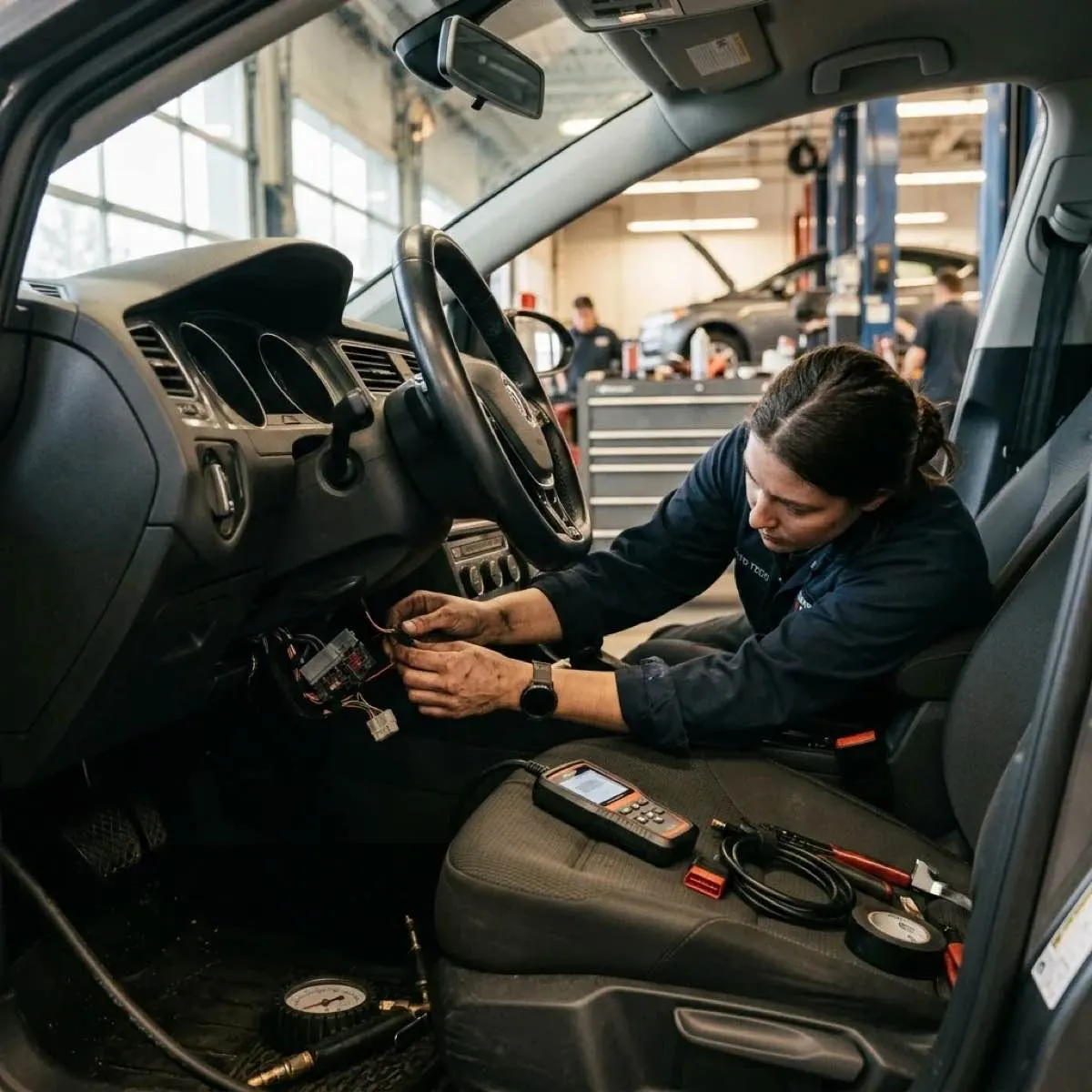
No. Removal is designed to be as clean as installation. A trained technician disconnects the device and restores your ignition wiring to its original condition, with no permanent modification left behind. The appointment is typically brief, and your car starts the way it did before the program.
The removal itself must be authorized by your monitoring authority, so wait for approval before booking. When you are getting close to the end of your program, our guide on when you can get your interlock removed explains how the process works.
Why Professional Installation Is the Whole Story
Everything in this article comes back to one theme: the device is safe for your car when the people handling it know what they are doing. RoadGuard Interlock’s service centers are state-licensed, insured, and certified, staying updated with evolving technology to improve their processes continually.
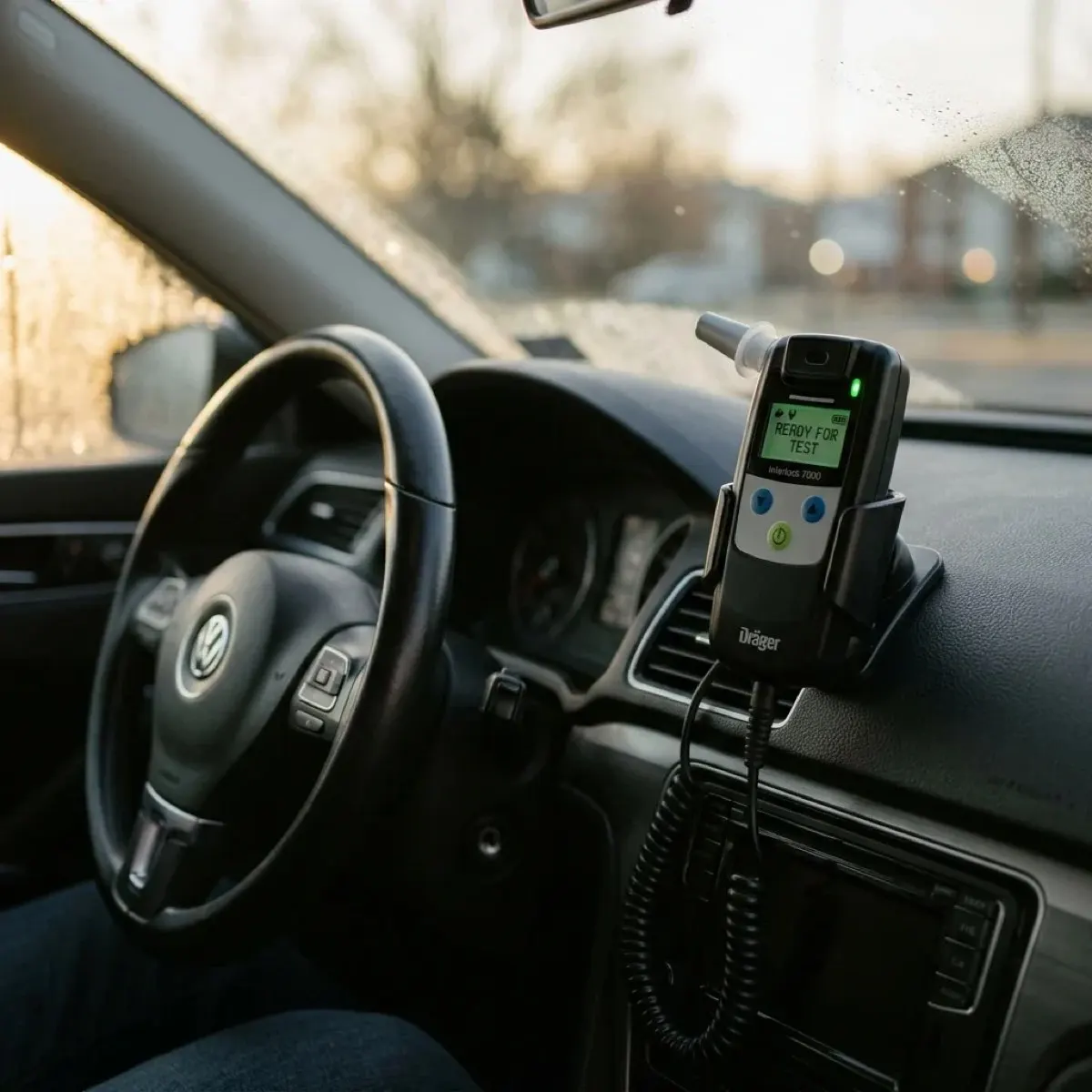
The device itself reflects the same standard. The Dräger Interlock 7000 is built on more than 60 years of breath-alcohol testing experience, uses a simple blow-suck breath test, and has a sleek, discreet design. It is engineered for installation in many vehicle types, including motorcycles, and it is one of the fastest devices on the market, which means less time waiting in your driveway.
RoadGuard Interlock has been serving customers in the United States for over 25 years. Every installation, calibration, and removal is handled by trained technicians whose job is to make the device work without getting in your car’s way, or yours.
Frequently Asked Questions
Does an interlock device damage your car battery?
Not under normal conditions. The device draws a small amount of standby power, similar to other always-on electronics, and everyday driving keeps the battery charged. Problems usually trace to a battery that was already weak or a car that sits unused for long stretches. If either applies to you, call support so they can advise you and note your account.
Can an interlock device mess up your starter?
A professionally installed interlock does not harm the starter. The device interrupts the start signal until you pass a breath test; it does not change how the starter motor itself operates. Starter problems that appear after installation are usually coincidence or, in rare cases, the result of poor wiring work by an uncertified installer, which is why certified installation matters.
Can an interlock cause electrical problems in my car?
When installed correctly, no. The device integrates with the ignition circuit without affecting other systems. Electrical problems in interlock-equipped cars are most often caused by improper installation, an aging battery, or conflicts with aftermarket wiring such as remote starters and alarms. A certified technician checks for these risks during the vehicle inspection before the device goes in.
My car is having problems after the interlock was installed. What should I do?
Call RoadGuard support first at 1-833-545-0368. Describe the symptom and when it started; the team can check your device’s history and tell you whether anything on the device side matches. If your car needs shop work, ask about the mechanic repair bypass process so a repair facility can service the vehicle without triggering a violation.
Does removing an interlock device damage your car?
No. A trained technician removes the device and restores the original ignition wiring, leaving no permanent modification. Your car starts exactly as it did before the program. Just make sure your monitoring authority has authorized the removal first, and have the work done by a certified service center rather than a general repair shop.
Can I change my car battery with an ignition interlock installed?
Yes, but call support before the battery is disconnected. A disconnection can appear on the device’s log, and reporting it in advance keeps your compliance record clean. Support can also tell you whether anything specific applies to your device or your state’s program before the work is done.
Can the interlock shut off my engine while I’m driving?
No. The device controls only whether the engine can start. If a rolling retest is missed or failed, the device records the event and reports it according to your state’s program rules, but it cannot stop a running engine. This is a deliberate safety design so the device never creates a hazard in traffic.
Can someone else start my car with an interlock installed?
Anyone who drives your car must take the breath test, and their results go on your record, so choose carefully. The Dräger Interlock 7000 includes a camera that can detect a change in driver. Nothing about another person driving the vehicle affects the car itself; the device works the same way for every driver.
Do interlock devices work with push-button start, hybrids, and newer cars?
In most cases, yes. The Dräger Interlock 7000 is designed for installation in many vehicle types, including motorcycles. Newer vehicles with push-button start or hybrid systems may need extra steps during installation, so mention your make and model when you schedule. The technician will confirm compatibility before any work begins.
Why do some drivers say an interlock ruined their car?
Most of those stories trace back to an uncertified installation, a battery that was already failing, or an unrelated mechanical problem that surfaced after the device went in. A professionally installed interlock connects to the ignition circuit without permanent modification and comes out cleanly. Choosing a certified installer and calling support at the first sign of trouble prevents nearly all of these situations.
Drive With Confidence, Not Worry
An ignition interlock does not have to be hard on your car or on you. With certified installation, a quick call to support when something seems off, and a clean removal at the end of your program, your vehicle comes through untouched. Same-day installs are available in many locations. Call 1-833-545-0368 or find a RoadGuard Interlock location near you to schedule your installation.
Disclaimer: This article is provided by RoadGuard Interlock for general informational purposes only and is not legal, financial, or medical advice. DUI and ignition interlock laws, penalties, fees, and program requirements differ from state to state and county to county, and they can change at any time. Any costs, timelines, or figures mentioned are general estimates rather than quotes or guarantees. Please do not rely on this article as a statement of the law where you live. Confirm current requirements with your state DMV, the court handling your case, a licensed attorney, or RoadGuard Interlock directly before making decisions. Device features, pricing, availability, same-day installation, and any promotions referenced are subject to change, vary by location, and may not be offered in every state RoadGuard Interlock serves.