
Does Alcohol Tolerance Affect Your BAC? What a Breath Test Actually Measures
Disclaimer
The information in this blog is for general informational purposes only. Information may be dated and may not reflect the most current developments. The materials contained herein are not intended to and should not be relied upon or construed as a legal opinion or legal advice or to address all circumstances that might arise. You should contact your attorney to obtain advice with respect to any particular legal matter. Only your individual attorney can provide assurances that the information contained herein – and your interpretation of it – is applicable or appropriate to your particular situation. Links to any third-party websites herein are provided for your reference and convenience only; RoadGuard Interlock does not recommend or endorse such third party sites or their accuracy or reliability. RoadGuard Interlock expressly disclaims all liability regarding all content, materials, and information, and with respect to actions taken or not taken in reliance on such. The content is provided “as is;” no representations are made that the content is error-free.
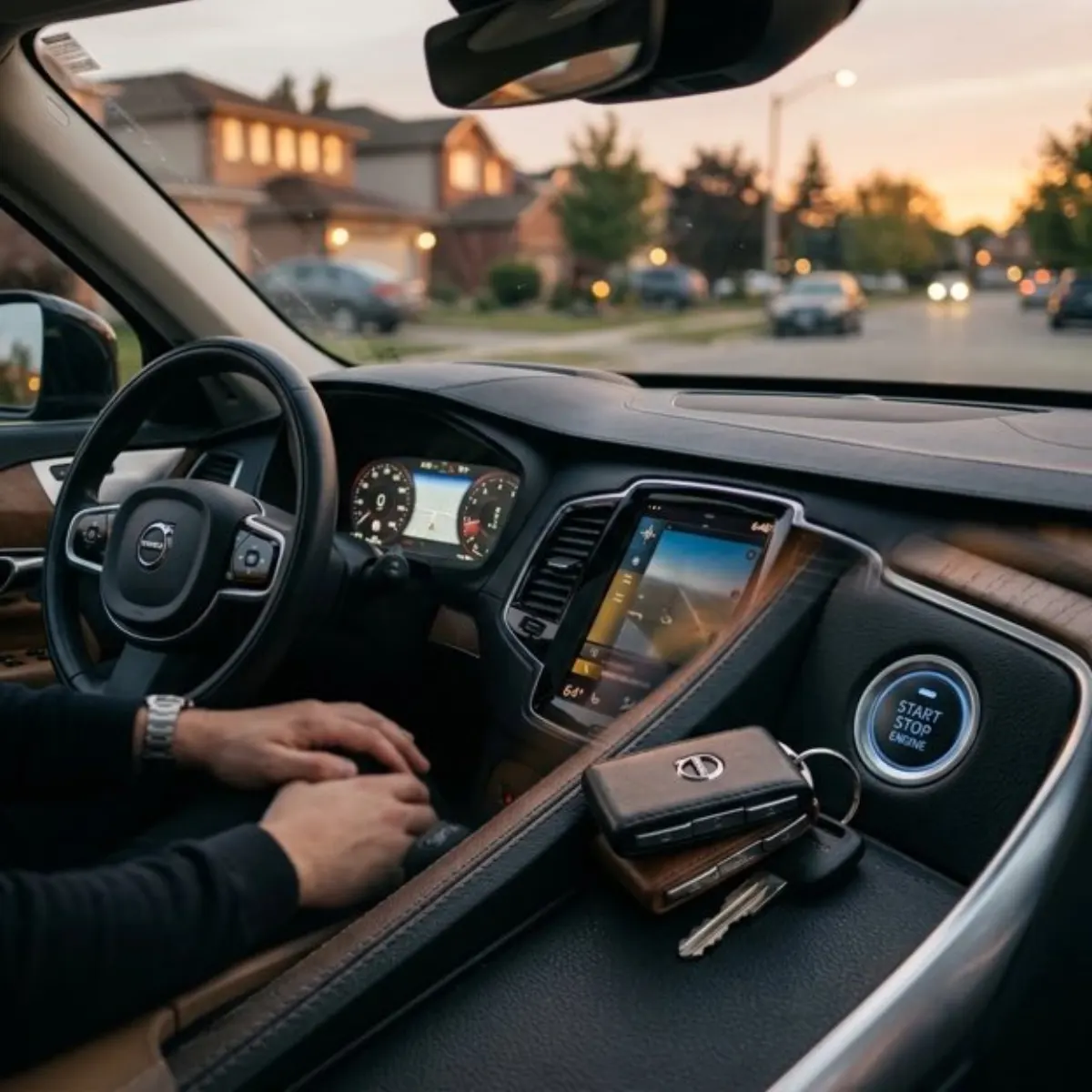
If you’ve always held your liquor well, you’ve probably noticed that a few drinks leave you steadier than the people around you. You talk clearly, you walk without swaying, and friends tell you that you seem fine. That raises a fair question: does tolerance affect BAC, or only how drunk you feel?
For a driver with an ignition interlock, the question tends to come up on an ordinary morning. The night before felt light, you woke up clear-headed, and the device still registered alcohol when you blew.
Does Alcohol Tolerance Affect Your BAC?
No. Tolerance changes how drunk you feel and how drunk you look, but it doesn’t hide the alcohol in your blood or on your breath. A breath test, including an ignition interlock, measures that alcohol directly. How steady you feel plays no part in the reading, so a clear head is no guarantee of a clean test.
What Is Alcohol Tolerance?
Alcohol tolerance is the body’s adjustment to regular drinking: the same amount of alcohol produces less of an effect, so it takes more to feel what one or two drinks once did. People develop tolerance to different degrees, and the degree can change over time for the same person.
Functional Tolerance
Functional tolerance happens in the brain. Nerve cells adapt to alcohol’s presence, which reduces the visible signs of intoxication, such as slurred speech and unsteady walking, even at a high BAC. This is the kind most people mean when they say they can hold their liquor.
Metabolic Tolerance
Metabolic tolerance is a change in alcohol metabolism, meaning how the body absorbs, distributes and breaks down alcohol, and in some long-term heavy drinkers it clears alcohol somewhat faster. The size of that change varies widely from one person to the next. You can’t feel it or measure it at home, so no one can use it to time a drive.
Acute Tolerance Within a Single Night
Tolerance can also build over the course of one drinking session. Signs of intoxication tend to be stronger while BAC is rising than at the same BAC while it falls, so later in the evening you may feel more sober than your blood alcohol level would suggest.
Rising tolerance has a health side as well. It’s an early sign of developing alcohol dependence, and tolerance and withdrawal are two recognized symptoms of alcohol use disorder. If you’ve noticed your own tolerance increasing, a doctor can talk through what that means for you.
Tolerance vs. BAC: What Changes and What Stays the Same
Tolerance changes how a given BAC feels, while the BAC itself follows how much you drank, how fast, and your body. With tolerance, a given blood alcohol concentration feels lower than it is, and it takes more alcohol to reach the effect you used to feel.
Other people can’t see it either. In regular drinkers, tolerance can reduce the outward signs of intoxication enough that friends, bartenders and police officers misjudge how intoxicated someone is. A social drinker may show nausea, slurred speech and poor coordination at a BAC where a heavy drinker shows none of those signs. When someone says you seem fine, they’re describing your tolerance, and your BAC is a separate number.
The table below separates what tolerance can change from what it leaves in place.
|
What you might notice or be tested on |
Does tolerance change it? |
|
How drunk you feel |
Yes. The same BAC feels milder |
|
How much you need to drink to feel a buzz |
Yes. It takes more |
|
Visible signs such as slurred speech or unsteady walking |
Often reduced |
|
Reaction time and peripheral vision |
No |
|
The alcohol in your blood and on your breath |
No |
|
What a breath test or ignition interlock measures |
No |
Why Tolerance Is Risky Behind the Wheel
Tolerance can steady your walk and your speech, while the skills driving depends on stay impaired. Reaction time and peripheral vision don’t improve with tolerance, so a driver who feels normal can still be slow to notice a car drifting in from the side or to brake for a sudden stop.
Judgment suffers too. When you feel less drunk, you’re less able to judge whether you’re fit to drive, and the feelings that once told you to stop, like dizziness or unsteadiness, are weaker than they used to be.
Driving asks for vision, attention, hand-eye coordination, judging distance and quick reactions at the same time. Alcohol impairs each of them at any level of tolerance, and a tolerant driver has fewer physical cues that the impairment is there.
What Moves Your BAC
Your BAC depends on how much alcohol you drink, how quickly, whether you’ve eaten and your own body. Time is the only thing that brings it down.

- Amount and pace. BAC increases with the number of drinks and how quickly you finish them. Size counts too: a standard drink holds about 14 grams of pure alcohol, and a strong craft beer or a generous pour can hold more than one.
- Food. A meal slows alcohol’s move from the stomach into the small intestine, so BAC rises more gradually. The alcohol still reaches your blood.
- Body size and makeup. A larger body gives alcohol more room to spread out, and alcohol spreads more into muscle than into body fat. People with more body water and higher testosterone levels, which also bring more of an enzyme that breaks alcohol down, usually reach a lower BAC from the same drink.
- Medications. Some prescription and over-the-counter medicines interact with alcohol, and some cough syrups and other medicines contain alcohol themselves. Ask a doctor or pharmacist about the ones you take.
- Time. Coffee, a cold shower and a glass of water don’t lower BAC. Only time lets your body clear alcohol, which is why how long to wait after drinking depends on how much you drank and how fast.
What Does an Ignition Interlock Measure?
An ignition interlock measures the alcohol in your breath at the moment you blow. It can’t register your drinking history, your coordination or how sober you feel, so tolerance can’t change what it reports.
The Fuel-Cell Sensor
Fuel-cell sensors, the standard choice for compliance testing, react with ethanol in a breath sample and produce a small electrical current. More alcohol in the breath means a larger current, and the device turns that current into a breath alcohol reading.
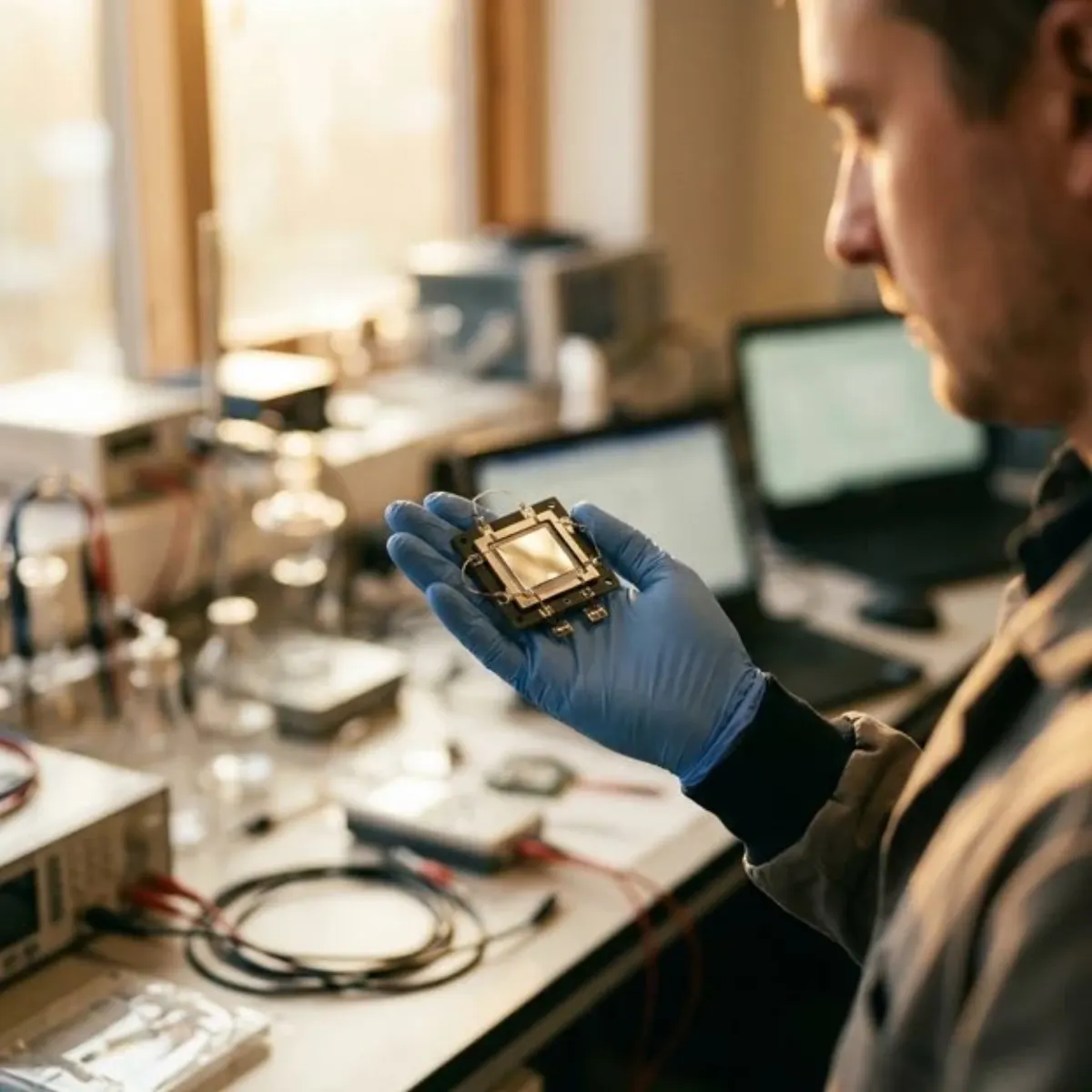
The reaction is chemical. Your years of drinking experience have no part in it.
Breath Alcohol vs. Blood Alcohol
Breath alcohol concentration (BrAC) is the alcohol in your breath, and blood alcohol concentration (BAC) is the alcohol in your blood. Interlocks measure breath alcohol and apply a legally accepted conversion between BrAC and BAC, so a breath reading lines up with blood-alcohol limits.
Breath Alcohol vs. Mouth Alcohol
Alcohol left in your mouth from mouthwash can reach a sensor before deep-lung breath does. RoadGuard Interlock’s device can tell breath alcohol from mouth alcohol, such as mouthwash, which helps avoid unnecessary lockouts. Alcohol that comes from your blood shows up on your breath whatever your tolerance.
If Your Readings Don’t Match How You Feel
Call RoadGuard Interlock support at 1-833-545-0368 before you do anything else. For a driver with tolerance, the gap between feeling sober and the alcohol still on your breath is one likely reason for a surprise reading. Mouth alcohol and certain health conditions that affect interlock tests can also play a part, which is why the call to support comes first.

Your monitoring authority or state program determines what counts as a lockout or violation, so don’t guess how a reading will be treated. After a heavy night, alcohol can stay on your breath into the next day, and how long a breathalyzer can detect alcohol depends on how much you drank and how recently.
Have these ready when you call:
- The date and time of the test, and whether it was a start-up test or a retest
- What the display showed
- When you had your last drink, and anything you ate, drank or used in your mouth shortly before the test
What not to do:
- Don’t drive if you’re unsure; arrange another ride and call support
- Don’t let anyone else blow into the device for you
- Don’t assume the reading will or won’t count against you
Frequently Asked Questions
Does tolerance affect blood alcohol?
Tolerance mainly affects how a given blood alcohol level feels. A regular drinker feels and looks less affected at the same BAC and needs more alcohol to reach the effect they used to get. In some long-term heavy drinkers, metabolic tolerance can clear alcohol a little faster, but the change varies too much from person to person to plan around. A breath or blood test reports the alcohol present when you’re tested.
How many drinks cause a 0.08 BAC?
No drink count works for everyone. The same number of drinks can put two people at different BAC levels, depending on drink strength, body size and makeup, food, medications and how fast they drink, and the same person can land at a different level on a different night. A count can’t tell you that you’re under any limit. The legal limit that applies to you depends on your state and your license, so check with your state DMV.
Is 7 beers in 2 hours a lot?
Yes. Seven regular 12-ounce beers are seven standard drinks, and more if the beer is stronger, finished faster than your body can clear them. Tolerance may make that feel manageable, but it doesn’t lower the BAC those drinks produce, and no one can predict your exact number. Arrange another ride home, and if you have an interlock, expect a breath test to register alcohol.
What is the 2 2 2 rule for alcohol?
The 2 2 2 rule is an informal drinking guideline, and versions of it vary, usually around limiting drinks and spacing them out. Like other numbered drinking rules, it’s a rough guide and no substitute for a measurement. It can’t tell you your BAC, because body size, food, drink strength, medications and pace all change the result. A rule like this can slow your pace, but only a breath or blood test shows how much alcohol is in your system.
Is 2 beers enough for a DUI?
It can be. Two beers affect people differently depending on the beer’s strength, body size, food and how fast they’re finished, so two can put one person at a much higher BAC than another. DUI laws and limits vary by state and by type of license. Check with your state DMV or an attorney for the rules where you live, and don’t treat any number of drinks as a safe line for driving.
How do you know if you have high tolerance?
Common signs include needing more drinks to feel the effects you used to feel, seeming steadier than friends who drank the same amount, and rarely feeling sick or passing out after drinking. None of these tell you your BAC. A high tolerance masks how alcohol feels without lowering the amount in your system, which is the reason to rely on the time since your last drink and a breath test instead of your own sense of it.
Why is it so hard for me to get drunk?
One common reason is regular drinking: your brain adapts, so the same drinks produce less of an effect. Some people are also less sensitive to alcohol by nature, and a larger body gives alcohol more room to spread out. Feeling less drunk still leaves the alcohol in your blood and on your breath, so a breath test will register what you drank even when you feel sober.
Why am I suddenly more tolerant to alcohol?
Tolerance builds with how often and how much someone drinks, so a stretch of more regular drinking can make the same drinks feel lighter than they did before. It can also build within one night, as the effects feel milder while BAC is falling than while it is rising. Because increasing tolerance is an early sign of developing alcohol dependence, a doctor is a good person to talk with if you’ve noticed the change.
How long does it take for alcohol tolerance to go down?
There’s no set timeline. Tolerance comes down after a period without drinking, and cutting back lowers it more slowly than stopping for a while does. As it drops, the same drinks feel stronger again. That change is in how you feel: the BAC those drinks produce stays the same, so a lower tolerance won’t change what a breath test reads.
Is having a low alcohol tolerance good?
For your health and your judgment, a lower tolerance keeps alcohol’s warning signs in place. You notice the effects sooner, which makes it easier to tell when you’ve had enough, and your body’s normal responses to too much alcohol still work. A low tolerance won’t lower your BAC, though, and a breath test reads the alcohol in your system at any tolerance level.
Planning Around Your Breath Test
Tolerance can make the morning after feel clear while alcohol is still on your breath, so plan your drive around the time since your last drink instead of how you feel. If you’re living with an interlock, RoadGuard Interlock’s device pairs a simple blow-suck breath test with a sleek, discreet design, so testing fits into your day without drawing attention. See how the RoadGuard Interlock device works.
Disclaimer: This article is provided by RoadGuard Interlock for general informational purposes only and is not legal, financial, or medical advice. DUI and ignition interlock laws, penalties, fees, and program requirements differ from state to state and county to county, and they can change at any time. Any costs, timelines, or figures mentioned are general estimates rather than quotes or guarantees. Please do not rely on this article as a statement of the law where you live. Confirm current requirements with your state DMV, the court handling your case, a licensed attorney, or RoadGuard Interlock directly before making decisions. Device features, pricing, availability, same-day installation, and any promotions referenced are subject to change, vary by location, and may not be offered in every state RoadGuard Interlock serves.