
The Environmental Impact of Ignition Interlock Devices: Sustainability and Recycling
Disclaimer
The information in this blog is for general informational purposes only. Information may be dated and may not reflect the most current developments. The materials contained herein are not intended to and should not be relied upon or construed as a legal opinion or legal advice or to address all circumstances that might arise. You should contact your attorney to obtain advice with respect to any particular legal matter. Only your individual attorney can provide assurances that the information contained herein – and your interpretation of it – is applicable or appropriate to your particular situation. Links to any third-party websites herein are provided for your reference and convenience only; RoadGuard Interlock does not recommend or endorse such third party sites or their accuracy or reliability. RoadGuard Interlock expressly disclaims all liability regarding all content, materials, and information, and with respect to actions taken or not taken in reliance on such. The content is provided “as is;” no representations are made that the content is error-free.
The Environmental Impact of Ignition Interlock Devices: Sustainability and Recycling
Drivers ordered to install an ignition interlock often wonder about the ignition interlock environmental impact alongside safety and legal questions. As more vehicles fill up with electronics, every additional device raises fair concerns about energy use, materials, and electronic waste. Understanding how these breath-based alcohol monitors are built, used, and eventually retired helps clarify whether they meaningfully add to your environmental footprint. This guide unpacks those questions so you can see the full picture, from manufacturing through recycling.
Ignition interlock devices sit at the intersection of public safety and sustainability. On one hand, they are powerful tools for preventing impaired driving and the emissions-heavy consequences of crashes, congestion, and vehicle replacement. On the other, they are electronic products made from metals, plastics, and circuit boards that must be responsibly managed at end-of-life. Exploring this balance helps drivers, fleets, and policymakers design programs that protect both people and the environment.
Putting ignition interlock environmental impact in context
Before you can weigh environmental pros and cons, it helps to understand what an ignition interlock device is and how it fits into a vehicle. An interlock is an in-vehicle breathalyzer that measures a driver’s breath alcohol concentration and only allows the engine to start if the result is below a preset limit. The device includes a handheld unit with a mouthpiece, a small control module, and wiring that connects to the vehicle’s electrical and ignition systems.
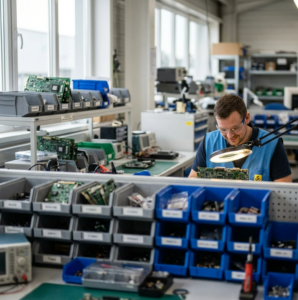
Most people use an interlock for a limited period after a DUI-related offense, often measured in months rather than years, although exact program lengths vary by state and court order. During that time, the device is leased rather than sold, which means it is typically removed at the end of the program and prepared for use by another customer when regulations allow. That leasing model already reduces how many new units must be manufactured compared with a one-owner, one-device approach.
How ignition interlocks change the road-safety equation
The primary purpose of ignition interlock programs is to keep impaired drivers from starting their vehicles and to reduce repeat offenses. When fewer alcohol-impaired trips occur, communities see fewer crashes, injuries, and deaths, along with less need for emergency responses and vehicle replacements. Those avoided events carry their own environmental benefits, from preventing the manufacture of replacement vehicles to reducing congestion-related emissions after serious collisions.
At the same time, any added electronic module contributes some level of environmental impact across its lifecycle. The key question is whether the materials, energy use, and end-of-life handling associated with interlocks are proportionate to the safety and societal benefits they deliver. Answering that question requires a lifecycle perspective that looks beyond the device itself to its role in the wider transportation system.
If you are still learning how these systems work day to day, a comprehensive explainer on ignition interlock devices can give you a solid foundation before you dive deeper into environmental considerations.
Lifecycle view of ignition interlock devices: from materials to end-of-life
Environmental impact is rarely about a single moment; it is about everything that happens from raw-material extraction through manufacturing, transport, use, and eventual retirement. For ignition interlocks, that lifecycle spans electronics production, installation into vehicles of all types (including hybrids and EVs), years of low-power operation, and eventual refurbishment or recycling. Looking at each stage clarifies where the biggest sustainability opportunities lie.
You can think of an interlock’s footprint as a series of stages that together shape its overall environmental profile rather than as a simple “good” or “bad” label. The table below summarizes the main stages and the types of environmental considerations associated with each.
| Lifecycle stage | Main environmental considerations | Key reduction strategies |
| Materials and components | Metals, plastics, circuit boards, sensors, displays | Use recyclable materials and minimize material volume |
| Manufacturing and assembly | Energy use, production scrap, chemical processes | Efficient factories and closed-loop scrap recycling |
| Distribution and installation | Shipping emissions, packaging waste | Optimized logistics and reduced, recyclable packaging |
| In-vehicle use phase | Low-level power draw, occasional service visits | Energy-efficient electronics and preventive maintenance |
| End-of-life handling | Electronic waste and resource recovery | Refurbishment, certified e-waste recycling, take-back programs |
Materials and manufacturing footprint
Ignition interlock devices are compact, but they still rely on many of the same materials as other automotive electronics: printed circuit boards, microprocessors, fuel-cell-based alcohol sensors, wiring, connectors, and plastic housings. Extracting metals and producing plastics carries environmental costs, particularly when virgin materials are used instead of recycled inputs. Manufacturing also consumes electricity and can generate scrap if components or housings are mis-formed.
Electronics makers in other sectors provide useful models for shrinking this footprint. An Atlas Public Policy analysis of automakers and EV recycling describes how one major automaker implemented a closed-loop system that sends 100% of manufacturing scrap from its battery and electronics lines back into in-house recycling, cutting demand for virgin materials. Interlock manufacturers can follow similar paths by designing housings for easier material recovery, specifying recycled plastics, and routing production scrap into certified recycling streams.
Design choices also influence how many devices must be produced over time. Rugged housings, robust connectors, and modular circuit boards that allow individual parts to be replaced instead of entire assemblies all support longer device lifespans. When each unit can serve multiple drivers over its lifetime, the environmental burden of manufacturing is spread across many successful program completions.
Energy use and in-vehicle operation
Once installed, an ignition interlock relies on the vehicle’s electrical system for power, much like onboard computers, infotainment systems, and safety sensors. The device draws a small amount of power while the car is off to maintain memory and readiness, then briefly increases consumption when it warms up and analyzes breath samples. Compared with major loads such as air conditioning or high-powered audio, this draw is typically minor.
In healthy vehicles with properly installed devices, this low-level draw is designed not to drain the battery under normal driving patterns. Many drivers worry about added strain on their car, so it is important to pay attention to any alerts displayed by the interlock and to keep up with routine vehicle maintenance. Following best practices to avoid ignition interlock malfunctions not only protects your ability to drive legally but can also reduce unnecessary service visits and premature device replacement, both of which have environmental implications.
For hybrid and electric vehicles, interlocks are integrated in ways that respect the vehicle’s unique electrical architecture. The device’s power use is still a very small fraction of overall consumption, but attention to efficient electronics and careful installation helps ensure there is no meaningful impact on range or battery longevity.
End-of-life and e-waste challenges
Eventually, every interlock reaches the end of its useful life, whether because of age, technological obsolescence, or damage. At that point it becomes electronic waste (e-waste) and must be handled carefully to avoid releasing hazardous substances or leaving recoverable metals and plastics unclaimed. The broader e-waste landscape underscores why this matters: according to the United Nations Institute for Training and Research e-waste monitor, only 22.3% of the 62 million tonnes of global e-waste generated in 2022 was formally collected and recycled in an environmentally sound manner.

Because ignition interlocks are leased and returned rather than disposed of by drivers, program providers sit at a critical decision point for this end-of-life phase. When they prioritize refurbishment, parts harvesting, and partnerships with certified e-waste recyclers, they help ensure these devices do not add to the large share of electronics that currently end up in landfills or informal recycling operations. As mentioned earlier, spreading one unit’s impact over multiple users also reduces the volume of devices that reach end-of-life each year.
Recycling, refurbishment, and design strategies to shrink device footprint
Given the lifecycle pressures described above, the most effective way to minimize environmental impact is to close the loop: repair devices when possible, refurbish and redeploy them safely, and recover materials through certified recycling when a unit truly reaches end-of-life. Drivers, service centers, manufacturers, and policymakers each play a distinct role in making that loop work.
Practical recycling steps for drivers and program participants
For individual drivers, the most important sustainability step is surprisingly simple: return your ignition interlock device through official channels when your program ends. Because it is a leased safety device that is wired into your vehicle’s ignition system, you should never try to remove or tamper with it yourself. Instead, schedule your removal appointment with your provider or authorized service center, which will handle both uninstalling the hardware and routing it into the appropriate refurbishment or recycling process.
When you book that removal visit, it is reasonable to ask how the provider manages returned units. Many participants appreciate knowing whether devices are typically refurbished for future use, harvested for spare parts, or sent to certified e-waste recyclers. As mentioned earlier, understanding the day-to-day reality of using these systems is easier if you have already looked at a detailed overview of the day-to-day experience of life with an ignition interlock device, which can also help you prepare for the end of your program.
Data privacy is another piece of the end-of-life conversation. Interlocks record test results and certain driving events to support compliance reporting. Before your device is reused or recycled, those records are handled according to program rules and data-retention requirements. Asking your provider how data is stored, for how long, and how it is wiped or archived when a unit is retired is part of being an informed, sustainability-minded participant.
How manufacturers and service providers can lead on sustainability
The biggest levers for reducing environmental impact often sit upstream, with the organizations that design and maintain ignition interlocks. Eco-conscious manufacturers can specify recyclable plastics for housings, avoid unnecessary material thickness, and design enclosures that are easy to open and reassemble during repair. Modular circuit boards, where replaceable sub-boards handle specific functions, allow technicians to swap out only the failed portion instead of discarding the entire electronics assembly.
Industry forums are already sharing practical guidance on these ideas. The ITB Group Sustainable Vehicle Production 2026 program highlights case studies on recyclable electronics housings, modular PCB layouts for easier disassembly, and carbon-accounting tools that help suppliers measure and reduce lifecycle emissions. Participants in that program reported being able to design modules for 15–20% faster disassembly, which directly supports better material recovery at end-of-life—an approach ignition interlock manufacturers can adapt to their own devices.
Service providers, meanwhile, can build sustainability into their operational playbooks. That might include standardized procedures for evaluating whether a returned device can be safely refurbished, guidelines for replacing only worn components rather than whole units, and long-term partnerships with certified e-waste recyclers. Transparent communication with drivers, courts, and fleet managers about these practices can also build trust that the program is aligned with broader environmental goals.
Policy ideas to reduce ignition interlock environmental impact
Courts and state agencies set the rules for who must install ignition interlocks and for how long, but they can also influence environmental outcomes by specifying how devices should be designed, reused, and recycled. One model comes from broader electronics rules: the European Commission circular economy strategy outlines requirements for more recyclable products, mandatory take-back schemes, and right-to-repair provisions that are reshaping how electronics are built for the EU market. Similar principles can be woven into interlock vendor contracts and state regulations.
For example, program administrators can require bidders to document their e-waste partnerships, refurbishment rates, and use of recycled materials, treating these indicators as part of vendor evaluation alongside cost and service quality. Reporting requirements for the number of devices retired and how they were processed can create transparency and accountability without adding burdens for drivers themselves. Over time, such measures encourage an industry-wide shift toward designs and business models that naturally lower ignition interlock environmental impact.
Sustainability tips for drivers, fleets, and courts
Once the right systems and rules are in place, everyday decisions by drivers, employers, and courts determine how well those sustainability intentions play out on the ground. While individual choices cannot rewrite manufacturing practices, they can extend device life, prevent unnecessary replacements, and support responsible recycling.
Low-impact habits for individual drivers
As mentioned earlier, your provider will handle removal and end-of-life treatment, but your daily habits influence how long a device remains in good working order. Protecting the handheld unit from drops, spills, and extreme temperatures reduces the odds of cracks or sensor damage that could force an early replacement. Keeping your cabin reasonably clean and avoiding harsh cleaners on the mouthpiece also helps prevent contamination of sensitive components.
When installation quality is a concern, many drivers worry about wiring and potential harm to the vehicle itself. For a balanced perspective, it is helpful to review a detailed look at whether ignition interlock devices damage your car, which explains how professional installers protect the vehicle’s electrical system. Choosing reputable installers and promptly addressing any warning lights or starting issues means fewer service visits and less risk of needing a replacement unit.
To summarize practical steps you can take as a driver, consider this checklist of low-impact habits:
- Schedule installations and removals only with authorized technicians, never attempt DIY work.
- Store the handset carefully when not in use, instead of letting it dangle or rest on the floor.
- Avoid eating, drinking, or smoking immediately before tests to prevent residue buildup.
- Respond quickly to maintenance reminders so minor issues do not escalate into device failures.
- Discuss any recurring problems with your provider so underlying causes can be addressed once, not repeatedly.
Best practices for fleets and employers
Commercial fleets and employers that use ignition interlocks for safety or insurance reasons manage many more devices than individual drivers, so their choices have outsized environmental effects. Standardizing on a small set of vehicle models where possible can simplify installation and reduce the variety of brackets, harnesses, and custom parts needed, which in turn cuts material use and makes it easier to reuse accessories.
Procurement teams can incorporate sustainability criteria when selecting an interlock provider, asking pointed questions about refurbishment practices, e-waste partners, and design-for-disassembly. As mentioned earlier, providers that extend device life and recover materials effectively reduce both costs and footprint over time. Fleets can also train drivers on gentle device handling and establish internal guidelines for reporting issues early, preventing avoidable damage.
What courts and monitoring agencies can do
Court systems, probation departments, and motor-vehicle agencies define the framework within which ignition interlock programs operate. By adding clear sustainability expectations to vendor contracts and program rules, they can align public-safety objectives with environmental responsibility. That might mean requiring vendors to submit annual summaries of devices installed, refurbished, and recycled, or to maintain certifications with reputable e-waste recyclers.
Agencies can also collaborate with state environmental departments to ensure ignition interlocks are included in broader electronic-waste strategies and outreach efforts. When public information clearly explains that devices are returned, refurbished when safe, and recycled at end-of-life, it reassures eco-conscious drivers and demonstrates that road-safety technology and sustainability are being pursued together rather than in conflict.
Get safer and greener ignition interlock programs
As you have seen, the true ignition interlock environmental impact depends on more than the presence of a small electronic box under the dash. Materials and manufacturing practices, thoughtful design for repair and disassembly, low-power operation in the vehicle, and rigorous end-of-life handling together determine whether interlocks become part of the e-waste problem or part of a more circular, sustainable transportation system.
For drivers, that translates into returning devices through official channels, handling them carefully during everyday use, and choosing reputable providers and installers. For fleets, courts, and program administrators, it means looking beyond price and basic compliance to consider refurbishment rates, recycling partners, and design choices when selecting vendors and writing program rules. As mentioned earlier, aligning these decisions with broader circular-economy principles ensures that safety gains do not come at the expense of unnecessary waste.
If you are evaluating ignition interlock options and want guidance on balancing fast installation, dependable compliance reporting, and responsible lifecycle management, the team at RoadGuard Interlock is ready to help you get back on the road confidently. To discuss your situation or explore program-wide strategies, Contact Us and connect with specialists who understand both the technical and human sides of ignition interlock programs.
Frequently Asked Questions
How can I compare ignition interlock providers from an environmental standpoint?
Ask each provider about their refurbishment rate, the percentage of devices that go to certified e‑waste recyclers, and whether they use recycled or recyclable materials in their housings and packaging. You can also request any sustainability reports or third‑party certifications they hold to validate their claims.
Are there specific certifications or labels that indicate an interlock program handles e-waste responsibly?
Look for providers that partner with recyclers certified under standards like e‑Stewards or R2 (Responsible Recycling). While interlocks themselves may not carry eco‑labels, these recycler certifications are a strong signal that end‑of‑life devices are processed in a safe, regulated way.
Does using an ignition interlock affect my home energy use if I park in a garage and charge accessories there?
Ignition interlocks draw power from your vehicle, not from a household outlet, so they do not directly change your home electricity consumption. Any impact on overall energy use is tied to vehicle operation, which remains minimal compared with other automotive systems.
What should EV and hybrid owners ask installers to ensure the cleanest possible setup?
Request an installer with documented experience on your specific EV or hybrid model and ask how they protect high-voltage components during installation. You can also ask whether the chosen installation method allows easy removal and reuse of brackets and wiring to reduce waste later.
Can ignition interlock programs contribute to our company’s ESG or sustainability reporting?
Yes. Fleet operators can document avoided incidents, device reuse rates, and partnerships with certified recyclers as part of their ESG metrics. Including these data points in sustainability reports shows how safety policies align with responsible resource management.
How do local or state e-waste laws influence what happens to returned ignition interlock devices?
In many jurisdictions, extended producer responsibility and e‑waste take‑back rules require manufacturers or vendors to ensure proper recycling. These laws can push providers to formalize their refurbishment and recycling programs rather than relying on ad‑hoc or informal disposal channels.
What questions should I ask during removal to make sure my device is handled sustainably?
You can ask whether your specific unit will be tested for reuse, broken down for parts, or sent directly to a certified recycler, and whether any of its materials are recovered. If sustainability is important to you, let the provider know—that feedback can encourage greener practices across their network.