
Ignition Interlock Calibration Drift: What Causes It and How to Avoid It
Disclaimer
The information in this blog is for general informational purposes only. Information may be dated and may not reflect the most current developments. The materials contained herein are not intended to and should not be relied upon or construed as a legal opinion or legal advice or to address all circumstances that might arise. You should contact your attorney to obtain advice with respect to any particular legal matter. Only your individual attorney can provide assurances that the information contained herein – and your interpretation of it – is applicable or appropriate to your particular situation. Links to any third-party websites herein are provided for your reference and convenience only; RoadGuard Interlock does not recommend or endorse such third party sites or their accuracy or reliability. RoadGuard Interlock expressly disclaims all liability regarding all content, materials, and information, and with respect to actions taken or not taken in reliance on such. The content is provided “as is;” no representations are made that the content is error-free.
An ignition interlock device that worked flawlessly last month can start flagging readings you know aren't right. You blow a clean test, yet the number on the display creeps higher than expected, or the device prompts you to retest for no obvious reason. That subtle shift in accuracy has a name, and understanding it is one of the best ways to prevent an avoidable lockout.
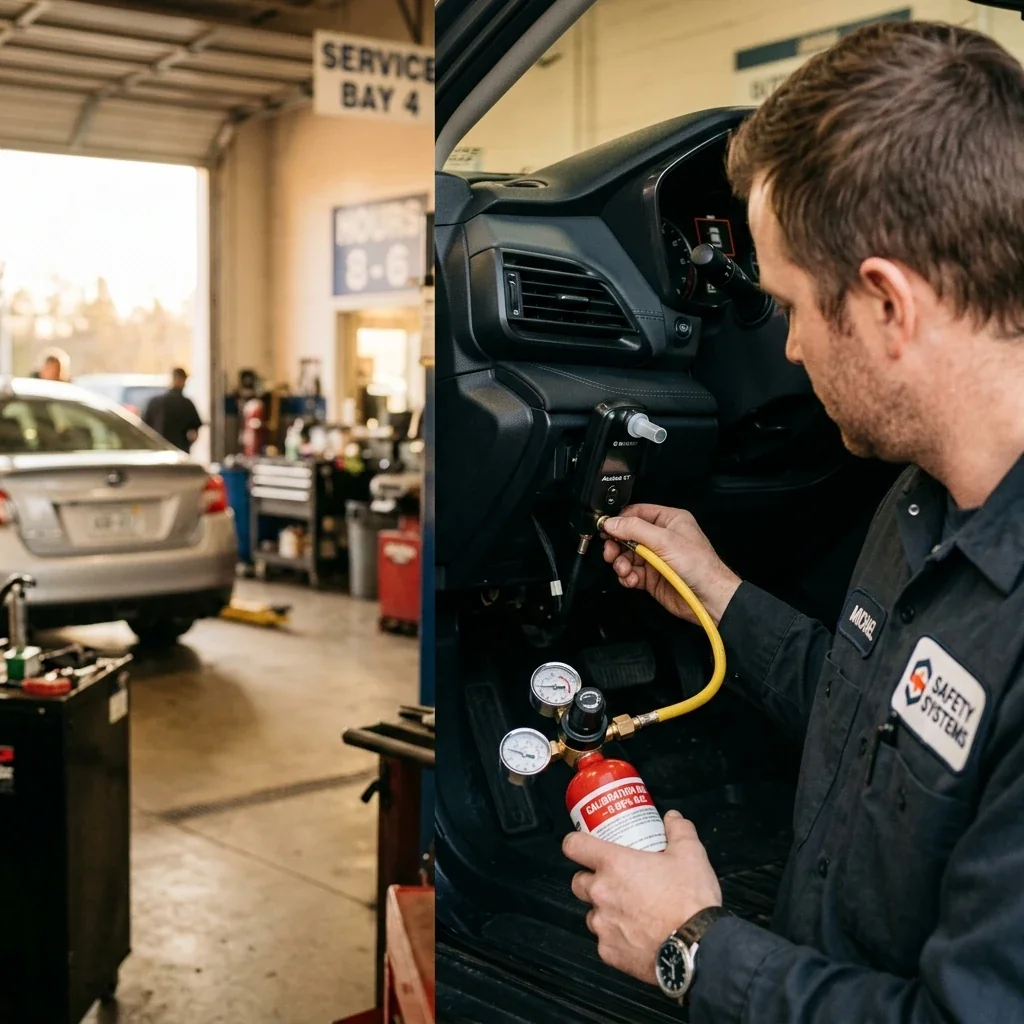
Below, we break down what calibration drift actually is, why every fuel-cell sensor experiences it, and the specific steps you can take to catch drift before it catches you. The information applies whether you're a few weeks into your interlock program or approaching your next service window, and regardless of which state you're in. One note first: calibration intervals and program rules vary by state and provider, so confirm your specifics with your provider and monitoring authority.
What Is Ignition Interlock Calibration Drift?
Calibration drift is the gradual loss of measurement precision in your interlock's fuel-cell sensor. When a technician first calibrates the device, the sensor is verified against certified reference gases at known alcohol concentrations. Over time, the sensor's electrochemical response shifts slightly, and its readings begin to deviate from that verified baseline.
This isn't a defect. It's normal electrochemical behavior in fuel-cell sensors generally, from law-enforcement breathalyzers to medical-grade monitors. The fuel cell works by oxidizing ethanol molecules on a platinum electrode, generating an electrical current proportional to the alcohol concentration. As that electrode surface accumulates microscopic residue from repeated use, the current output for a given alcohol level can drift up or down.
How Tight Are the Accuracy Limits?
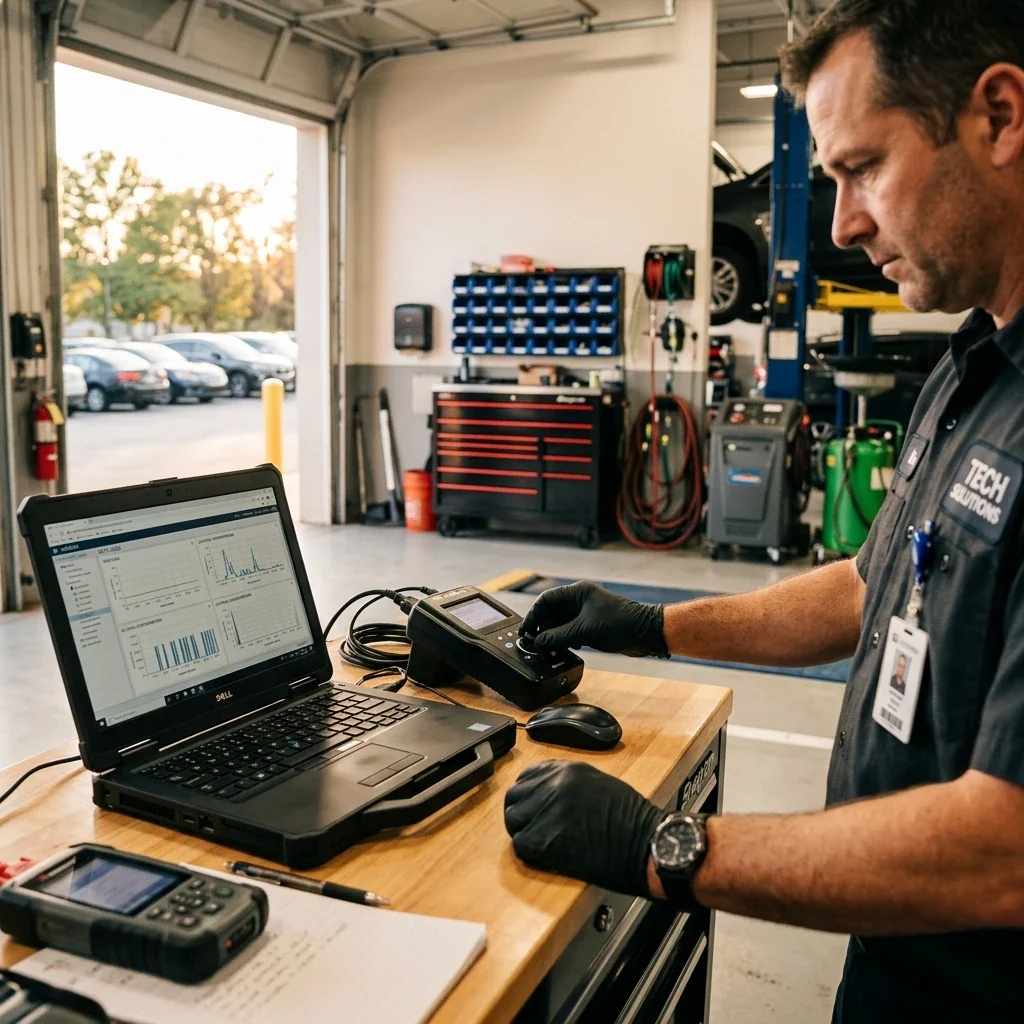
Interlock programs generally hold devices to very narrow accuracy tolerances, verified against reference gases at each scheduled service visit. Those tolerances are tight enough that even minor drift can nudge a zero-alcohol breath sample toward a borderline reading. Regular calibration resets the sensor back to its verified baseline. Think of it less as a repair and more as a tune-up that keeps normal wear from becoming a compliance problem.
Why Interlock Sensor Accuracy Changes Over Time
Drift doesn't happen overnight, and it rarely has a single cause. Several factors can accelerate the process, some within your control and others not.
Environmental Stress on the Fuel Cell
Temperature extremes are hard on fuel-cell sensors. Parking in direct summer sun or leaving your vehicle in subzero conditions repeatedly forces the sensor's internal chemistry through expansion and contraction cycles. While quality interlock devices are built to operate across a wide temperature range, even robust hardware can see accelerated drift under sustained thermal stress.
Humidity plays a role too. Moisture condensation inside the sensor housing can subtly alter the electrochemical reaction rate, nudging readings in one direction over weeks of exposure.
Usage Frequency and Contaminant Exposure
Every breath sample introduces trace compounds beyond ethanol. Ketones from low-carb diets, volatile compounds from mouthwash, and even certain medications can leave residue on the fuel-cell electrode. High-frequency drivers who provide dozens of breath samples per week expose the sensor to more contaminant buildup than someone who drives only a few times a month.
None of this means your device is broken. It means the sensor is doing its job in a messy, real-world environment, and scheduled calibration exists specifically to account for this reality.
Warning Signs Your Ignition Interlock Needs Calibration
Drift is gradual, so dramatic failures are rare. The clues tend to be subtle, and catching them early can save you from a lockout that disrupts your day and your compliance record.
- Inconsistent baseline readings: You blow clean tests at the same time each morning, but the displayed value fluctuates more than it used to.
- Unexpected retest prompts: The device asks for a rolling retest more frequently, or flags a borderline result when you haven't consumed anything.
- Longer-than-usual response time: The sensor takes noticeably longer to return a result, which can indicate the fuel cell is struggling to stabilize its measurement.
- Your service deadline is within two weeks: Even without visible symptoms, drift tends to compound as you approach the end of your calibration window.
If you notice any of these patterns, don't wait for the scheduled appointment. Knowing how to troubleshoot ignition interlock malfunctions can help you distinguish drift-related issues from user error before you contact your provider.
What Happens During a Calibration Appointment
The appointment is faster and simpler than most people expect. A typical ignition interlock calibration appointment takes roughly 20 to 30 minutes and follows a consistent sequence.
First, the technician downloads your stored data, including every breath sample, rolling retest, and any flagged events. This data goes directly into your compliance report. Next, they introduce certified reference gases at known concentrations to measure how far the sensor has drifted from its baseline. If the deviation exceeds the allowed tolerance, the technician recalibrates the fuel cell to restore accuracy.
Finally, a post-calibration verification confirms the sensor now reads within specification. The technician also inspects the device for signs of physical damage or tampering, and updates your compliance record with the calibration results. Bring your vehicle, your ID, and plan for a short wait. That's it. If you want a fuller walkthrough, here's what to expect at your first calibration appointment.
Strict recalibration schedules with systematic data review generally support higher device reliability and fewer contested readings at compliance reviews. The calibration appointment isn't bureaucratic overhead. It's what keeps your device reliable and your record clean.
Daily Habits That Prevent Lockouts Before They Start
Calibration appointments handle the sensor side. Your daily behavior handles the rest. Most lockouts aren't caused by drift alone; they result from drift plus a user habit that pushes a marginal reading over the threshold.
The 15-Minute Rule and Proper Technique
Wait at least fifteen minutes after eating, drinking anything (including coffee), or using mouthwash before providing a breath sample. Residual mouth alcohol from these sources dissipates quickly, but a sensor already shifted slightly by drift has less margin to absorb the extra reading. This is one of the most effective lockout-prevention habits you can build.
Your blow technique matters as well. A steady, consistent breath sample gives the fuel cell a clean measurement window. Weak, inconsistent, or overly forceful blows produce unreliable data. If you're unsure about proper technique, RoadGuard Interlock's guide on how to use an ignition interlock device walks through the correct blow-suck pattern step by step.
Never Miss the Service Window
State-mandated calibration intervals exist for a reason, and they vary by state and provider. Missing your window doesn't just risk a lockout. It can generate a compliance violation that extends your program or triggers legal consequences.
Set a calendar reminder two weeks before your service deadline. That buffer gives you time to schedule around work or other obligations without cutting it close. For a broader look at state-level requirements, understanding ignition interlock device laws in your jurisdiction helps you stay ahead of deadlines rather than reacting to them.
Temporary vs. Permanent Lockout: What's Actually at Stake
Not all lockouts carry the same weight, and knowing the difference reduces panic when something does go wrong.
A temporary lockout typically lasts a few minutes and occurs after a failed or skipped breath test. You wait, provide a clean sample, and the device unlocks. These are inconvenient but recoverable in real time.
A permanent lockout (sometimes called a service lockout) disables the vehicle until a certified technician physically resets the device. This happens after repeated violations, missed calibration appointments, or suspected tampering. Permanent lockouts generate compliance reports that your monitoring authority reviews, and they can result in program extensions or additional legal action.
Calibration neglect feeds the permanent lockout scenario. A drifting sensor produces borderline readings that accumulate as flagged events. Enough flags within a reporting period, and the device can lock down, even if you never consumed alcohol. The calibration appointment is your reset button. Skipping it removes the safety net.
Frequently Asked Questions
How can I tell the difference between calibration drift and a device installation issue?
A loose handset connection, a failing power source, or a wiring problem often shows up as intermittent power loss, random reboots, or error messages unrelated to breath results. If the device powers normally but your readings or retest behavior feel inconsistent, it's more likely a measurement issue, and your provider can confirm with diagnostics.
Can vaping, smoking, or secondhand exposure affect ignition interlock readings?
Yes, aerosols and volatile compounds can sometimes interfere with breath testing, especially right before a test. To reduce risk, avoid vaping or smoking immediately before testing, ventilate the vehicle, and follow your provider's guidance on what products to avoid.
What should I do if I get a failed test even though I have not been drinking?
Do not panic or attempt to bypass the device; follow the on-screen instructions and retest when permitted. Document what happened (time, what you consumed, products used), then contact your interlock provider promptly so the event can be reviewed and you can get next steps.
Does idling or short trips increase the chance of interlock problems?
Frequent short trips can leave the vehicle battery undercharged, which may cause low-voltage behavior that looks like device trouble. If you drive mostly short distances, ask your service center about battery health checks and whether a battery maintainer is appropriate for your situation.
Will changing my diet or starting new medications require different testing habits?
Certain diets and medications can change your breath chemistry or introduce compounds that may complicate testing. If you begin a new medication or major dietary change, ask your provider for specific precautions and consider adding extra buffer time before tests.
What records should I keep in case a reading is disputed later?
Keep a simple log of unusual events, including dates, times, what you ate or used (like oral products), and any error codes shown. Saving appointment receipts and service paperwork can also help your provider or monitoring authority review context if questions arise.
Keep Your Interlock Accurate and Your Record Clean
Ignition interlock calibration drift is predictable and manageable, and it never has to become a compliance problem. The fuel-cell sensor in your device will always drift over time. That's physics, not failure. Your job is to stay ahead of it by keeping calibration appointments, building smart daily habits, and recognizing the early warning signs before they escalate.
RoadGuard Interlock makes staying ahead straightforward with routine calibration service in the many states it serves. If your next appointment is coming up, or if you've noticed readings that seem off, don't wait for a lockout to force the issue. Schedule your calibration today and keep your program on track.
Disclaimer: This article is provided by RoadGuard Interlock for general informational purposes only and is not legal, financial, or medical advice. DUI and ignition interlock laws, penalties, fees, and program requirements differ from state to state and county to county, and they can change at any time. Any costs, timelines, or figures mentioned are general estimates rather than quotes or guarantees. Please do not rely on this article as a statement of the law where you live. Confirm current requirements with your state DMV, the court handling your case, a licensed attorney, or RoadGuard Interlock directly before making decisions. Device features, pricing, availability, same-day installation, and any promotions referenced are subject to change, vary by location, and may not be offered in every state RoadGuard Interlock serves.