How Much Alcohol is Really in Your Standard Drink?
Disclaimer
The information in this blog is for general informational purposes only. Information may be dated and may not reflect the most current developments. The materials contained herein are not intended to and should not be relied upon or construed as a legal opinion or legal advice or to address all circumstances that might arise. You should contact your attorney to obtain advice with respect to any particular legal matter. Only your individual attorney can provide assurances that the information contained herein – and your interpretation of it – is applicable or appropriate to your particular situation. Links to any third-party websites herein are provided for your reference and convenience only; RoadGuard Interlock does not recommend or endorse such third party sites or their accuracy or reliability. RoadGuard Interlock expressly disclaims all liability regarding all content, materials, and information, and with respect to actions taken or not taken in reliance on such. The content is provided “as is;” no representations are made that the content is error-free.
Order a drink at a bar, pour one at home, or split a bottle with friends, and the word “drink” can mean very different amounts of alcohol. In the United States, one standard drink contains about 14 grams of pure alcohol. That works out to a 12-ounce regular beer, a 5-ounce glass of wine, or a 1.5-ounce shot of 80-proof liquor.
The catch is that very few real-world drinks match those tidy serving sizes. A pint of craft IPA, a generous restaurant wine pour, or a cocktail built on two or three shots can each hold two or more standard drinks in a single glass.
This guide covers how a standard drink is defined, the alcohol percentage in beer, wine, and liquor, how to calculate what you actually drank, and why an honest count matters any time a breath test stands between you and the road.
What is a Standard Drink?
In the U.S., a standard drink generally contains roughly 14 grams of pure alcohol, according to the National Institute on Alcohol Abuse and Alcoholism. Not all alcoholic beverages are created equal. Just because the glass or snifter is smaller, doesn’t mean it has less alcohol in it.
According to the CDC, serving amounts for a drink vary, depending on the type of alcohol. For beer, 12 ounces is a standard drink, as is commonly found in beer bottles. A standard serving of wine is considered to be five ounces, and a “shot” of distilled liquor such as gin, bourbon, whiskey, or rum is 1.5 ounces.
Those 14 grams equal about 0.6 fluid ounces of pure alcohol, and every standard drink size is built around that same number. The servings look different because the drinks differ in strength. Beer is mostly water with around 5 percent alcohol, so it takes 12 ounces to reach 0.6 ounces of alcohol. Spirits at 40 percent get there in just 1.5 ounces.
Put simply, one standard drink is defined by the alcohol inside the glass, not by the glass itself.
Alcohol Content of Standard Drinks
Ethanol is the part of alcohol that creates intoxication, and different types of alcohol have varying amounts of ethanol in them.
Here is how the standard drink math plays out across the three main categories, and where real-world versions tend to depart from the textbook numbers.
Alcohol Content of Beer
One of the world’s most popular alcoholic drinks, beer generally has an alcohol volume of four to five percent. But not all beers are created equal.
A standard drink of beer assumes 12 ounces at about 5 percent ABV. Light beers usually sit a bit lower, closer to 4 percent. Craft styles run higher: many IPAs and stouts fall between 6 and 9 percent, and some specialty releases climb beyond that. Malt liquor is also stronger than regular beer, typically around 7 percent, so a standard drink of it is only 8 to 9 ounces.
Serving size compounds the difference. The 16-ounce pint that most bars and taprooms pour is already a third larger than the 12-ounce standard. A pint of 8 percent IPA holds a little over two standard drinks, so the “two beers” you had at the brewery may have been closer to four.
Alcohol Content of Wine
A standard drink of wine is 5 ounces at roughly 12 percent ABV. Most table wines fall somewhere between 11 and 14 percent, while fortified wines such as port and sherry often run considerably higher. The label is your best guide: most bottles state the ABV plainly, and federal labeling rules from the TTB govern how alcohol content appears on wine labels in the U.S.
The bigger issue with wine is the pour. Five ounces looks surprisingly small in a modern glass. Restaurant pours frequently run 6 ounces or more, and an unmeasured pour at home into a large-bowled glass can approach double the standard serving. Two “glasses” of a 14 percent red, poured generously, can quietly add up to three or four standard drinks.
Alcohol Content of Liquor
Most commonly, distilled spirits are 80 proof. Proof is double the ABV, so a liquor with 40 percent alcohol content is labeled 80 proof. A single shot of 80-proof liquor is the equivalent of a serving of beer or wine.
Some spirits run stronger. Plenty of whiskeys are bottled at 90 to 100 proof, and cask-strength releases go higher still. With those, even a carefully measured 1.5-ounce shot is more than one standard drink before any mixer touches the glass. A free pour, which most home pours are, adds an unknown amount on top.
How to Calculate How Many Standard Drinks You Had
Multiply the drink’s size in ounces by its alcohol percentage written as a decimal, then divide by 0.6. The answer is the number of standard drinks in that glass.
A few worked examples:
- A 12-ounce beer at 5 percent: 12 x 0.05 = 0.6 ounces of alcohol. Exactly 1 standard drink.
- A 16-ounce pint of 8 percent IPA: 16 x 0.08 = 1.28 ounces of alcohol. About 2.1 standard drinks.
- A 9-ounce restaurant wine pour at 14 percent: 9 x 0.14 = 1.26 ounces of alcohol. About 2.1 standard drinks.
- A cocktail with 3 total ounces of 80-proof spirits: 3 x 0.40 = 1.2 ounces of alcohol. That is 2 standard drinks in one glass.
Cocktails deserve special attention because the recipe hides the count. A drink built on one 1.5-ounce shot is one standard drink, but many popular cocktails layer two or three shots across a base spirit and liqueurs. The NIAAA’s free cocktail content calculator estimates the standard drinks in specific recipes, and it is worth trying once just to see how far common drinks stray from “one.”
Converting Grams of Alcohol to Standard Drinks
Health guidance sometimes describes drinking in grams of pure alcohol rather than drinks. The conversion is simple: divide the grams by 14. For example, 80 grams of alcohol works out to roughly five and a half to six standard drinks, which looks like a six-pack of regular beer or the better part of a bottle of wine. If you see a grams figure in research or public health advice, that quick division puts it in familiar terms.
Why Your Real Drink Is Often More Than One Standard Drink
Most of the alcohol people underestimate comes from three places: stronger-than-standard drinks, larger-than-standard servings, and unmeasured pours.
- Stronger drinks: craft beers, fortified wines, and high-proof spirits all pack more alcohol into the same volume than the standard assumes.
- Larger servings: pint glasses, oversized wine glasses, tallboy cans, and doubles all exceed standard serving sizes by design.
- Unmeasured pours: free pouring at home or at a friend’s house almost always runs heavier than a measured 1.5-ounce shot or 5-ounce glass.
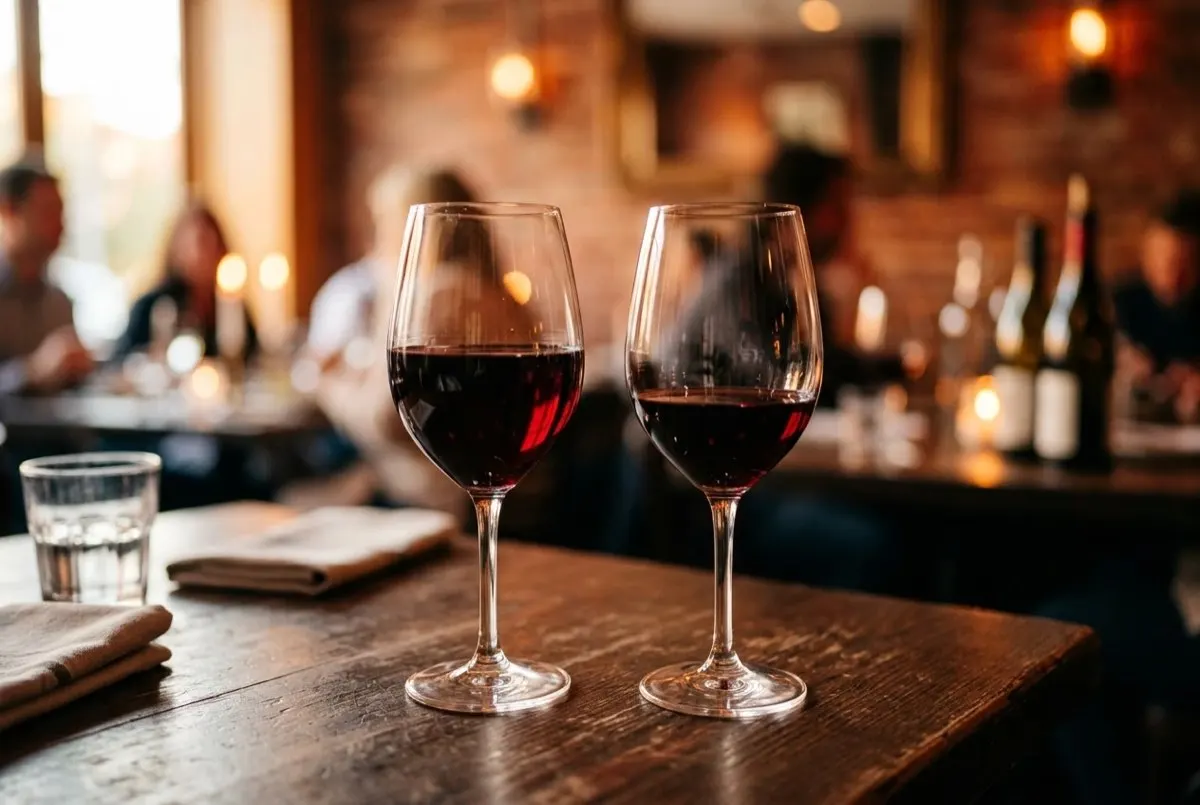
Stack those together over an evening and the gap grows quickly. Someone who counted “three drinks” may have consumed five or six standard drinks without ever feeling like they were overdoing it. That gap is harmless when you are home for the night. It matters a great deal when you plan to drive.
Why Standard Drinks Matter for BAC and Breath Tests
Your blood alcohol concentration depends on how much pure alcohol you consumed, not on how many glasses you held. If your count is off, your sense of your own BAC is off by the same amount.
The body clears alcohol at a roughly steady rate that no coffee, cold shower, or greasy meal can speed up. A common average is on the order of one standard drink per hour, though the true pace varies with body size, sex, food, medications, and liver health, as the NIAAA’s overview of alcohol metabolism explains. That is why an evening that included more standard drinks than you realized can leave alcohol in your system well into the next morning.
This is also why no chart can tell you it is safe to drive after a certain number of drinks. Too many variables sit between the glass and your BAC, which is one reason how your BAC level affects your driving is worth understanding on its own. The only reliable move after drinking is time, and more of it than most people assume. If you are tempted by shortcuts, our guide to what actually helps you sober up separates the myths from the science.
What This Means If You Drive with an Ignition Interlock Device
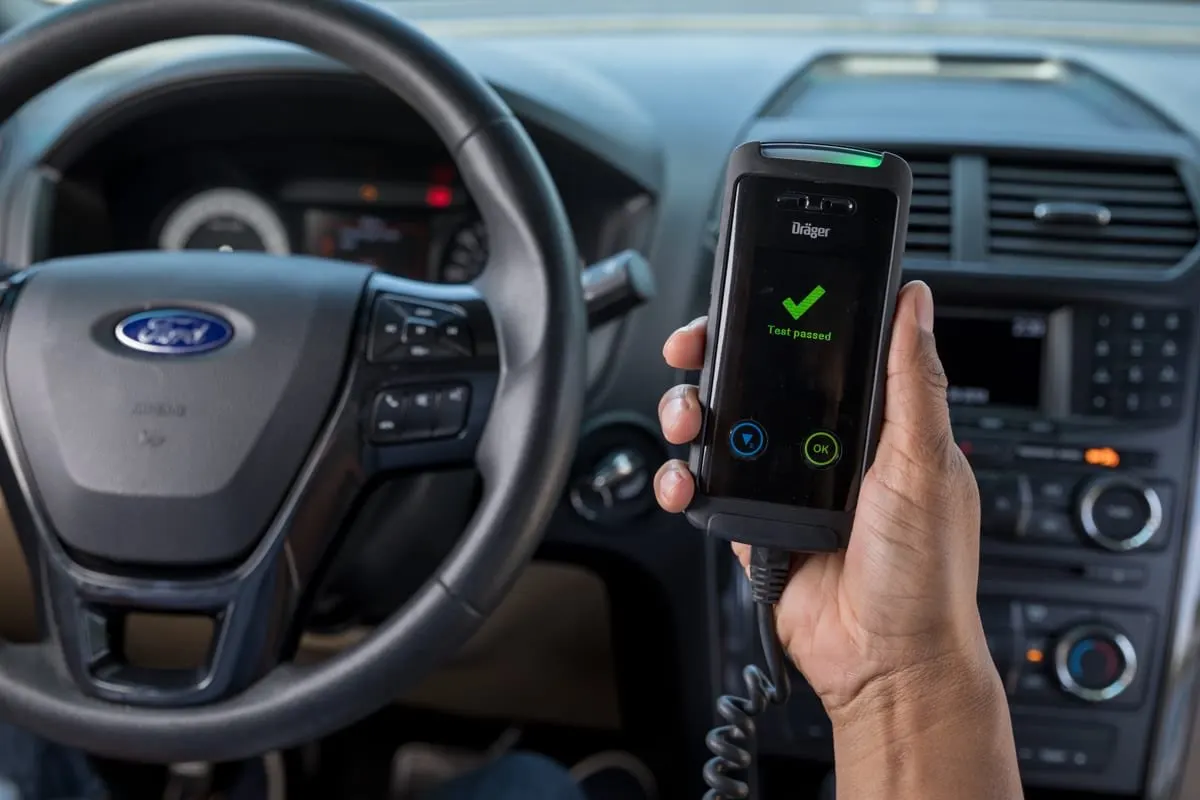
If your vehicle has an ignition interlock device, counting standard drinks accurately stops being trivia and becomes part of your daily routine. The device measures the alcohol on your breath every time you test, and it does not care how many glasses you remember. It responds to the alcohol that is actually there.
Miscounting is one of the most common paths to a morning-after surprise. A late night that involved six standard drinks instead of the three you counted can leave measurable alcohol on your breath at your 7 a.m. start. Understanding the difference between BAC and BrAC helps explain why breath readings can catch people off guard, and our guide to how long to wait after drinking walks through why generous margins beat tight math every time.
The habit that protects you is simple: count standard drinks, not glasses, and when in doubt, round up and wait longer. An honest count the night before is far easier than a failed test the next day.
Frequently Asked Questions
How is one drink of alcohol defined?
In the United States, one drink means any beverage containing about 14 grams, or 0.6 fluid ounces, of pure alcohol. That is the amount in a 12-ounce beer at 5 percent ABV, a 5-ounce glass of wine at about 12 percent, or a 1.5-ounce shot of 80-proof spirits. The definition comes from the National Institute on Alcohol Abuse and Alcoholism and is used throughout federal health guidance.
Is a standard drink 1 or 1.5 oz?
For distilled spirits, a standard drink is 1.5 ounces of 80-proof liquor, the size of a typical shot. That figure only applies to spirits at 40 percent ABV; if the liquor is stronger, a smaller pour already equals one standard drink. Beer and wine use larger serving sizes, 12 ounces and 5 ounces, because they contain less alcohol per ounce.
Is a standard beer 12 or 16 oz?
A standard drink of beer is 12 ounces at about 5 percent ABV, the size of a typical bottle or can. A 16-ounce pint, the default glass at many bars and breweries, is a third larger than a standard drink. If that pint holds a higher-alcohol craft beer, it can easily equal two standard drinks.
What percentage alcohol is 80 proof?
In the United States, proof is twice the alcohol by volume, so 80-proof liquor is 40 percent alcohol. A 100-proof spirit is 50 percent alcohol, which means a standard 1.5-ounce shot of it contains more than one standard drink. Checking the proof on the label is the quickest way to spot a stronger-than-standard spirit.
Does 1 shot of alcohol equal 1 beer?
Roughly, yes. A 1.5-ounce shot of 80-proof liquor and a 12-ounce regular beer each contain about 14 grams of pure alcohol, so your body processes them the same way. The equivalence breaks down with stronger pours: a heavy shot, a higher-proof spirit, or a strong craft beer all carry more alcohol than one standard drink.
How many standard drinks are in a mixed drink?
It depends entirely on the recipe. A cocktail made with a single 1.5-ounce shot of 80-proof liquor is one standard drink. Many popular cocktails combine two to three shots across a base spirit and liqueurs, which makes them two to three standard drinks in one glass. The NIAAA’s free cocktail calculator can estimate a specific recipe if you want a real number instead of a guess.
How much is 80 grams of alcohol?
At 14 grams per standard drink, 80 grams of pure alcohol works out to roughly five and a half to six standard drinks. In everyday terms, that is about a six-pack of regular beer or the better part of a bottle of wine. Researchers often describe drinking levels in grams per day or per week, which is why the figure appears in health guidance.
How much is one drink of alcohol in ml?
One U.S. standard drink contains about 17.7 milliliters of pure alcohol, the metric equivalent of 0.6 fluid ounces. Measured as the full beverage, that is roughly 355 ml of regular beer, 148 ml of table wine, or 44 ml of 80-proof spirits.
What are 5 standard drinks?
Five standard drinks contain about 70 grams of pure alcohol: five 12-ounce regular beers, five 5-ounce glasses of wine, or 7.5 ounces of 80-proof liquor. Reaching that total in a short window is a level of drinking health agencies associate with binge drinking, and it takes the body many hours to clear.
Do other countries define a standard drink the same way?
No. The size of a standard drink varies by country. The United States uses 14 grams of pure alcohol, while several other countries, including Australia and the United Kingdom, define their standard drink or unit as a smaller amount. If you read guidance published outside the U.S., check which definition it uses before comparing numbers.
Will one standard drink make me fail an interlock test?
It can if you test too soon after drinking. An interlock measures the alcohol on your breath at that moment, and even one drink puts alcohol there for a while. Mouth alcohol from a very recent drink reads especially high. The safe approach is to leave generous time between any drinking and your next drive rather than trying to time it closely.
Counting standard drinks honestly is one of the simplest habits that keeps an interlock program uneventful. If you have questions about testing, retests, or what to do after an unexpected reading, the RoadGuard Interlock support hub covers the situations drivers actually run into, or you can call 1-833-545-0368 to talk it through with a real person.
Disclaimer: This article is provided by RoadGuard Interlock for general informational purposes only and is not legal, financial, or medical advice. DUI and ignition interlock laws, penalties, fees, and program requirements differ from state to state and county to county, and they can change at any time. Any costs, timelines, or figures mentioned are general estimates rather than quotes or guarantees. Please do not rely on this article as a statement of the law where you live. Confirm current requirements with your state DMV, the court handling your case, a licensed attorney, or RoadGuard Interlock directly before making decisions. Device features, pricing, availability, same-day installation, and any promotions referenced are subject to change, vary by location, and may not be offered in every state RoadGuard Interlock serves.