
Ignition Interlock Camera Pictures: What You Need to Know
Disclaimer
The information in this blog is for general informational purposes only. Information may be dated and may not reflect the most current developments. The materials contained herein are not intended to and should not be relied upon or construed as a legal opinion or legal advice or to address all circumstances that might arise. You should contact your attorney to obtain advice with respect to any particular legal matter. Only your individual attorney can provide assurances that the information contained herein – and your interpretation of it – is applicable or appropriate to your particular situation. Links to any third-party websites herein are provided for your reference and convenience only; RoadGuard Interlock does not recommend or endorse such third party sites or their accuracy or reliability. RoadGuard Interlock expressly disclaims all liability regarding all content, materials, and information, and with respect to actions taken or not taken in reliance on such. The content is provided “as is;” no representations are made that the content is error-free.
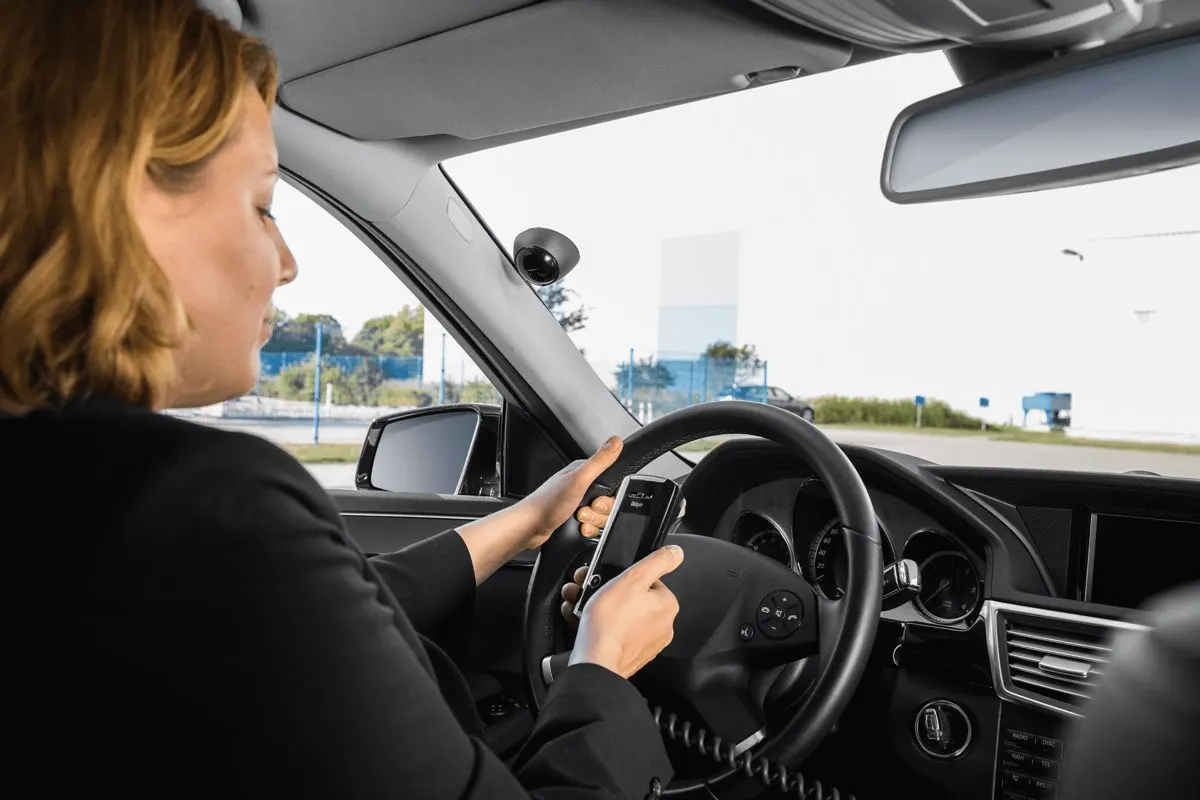
If your state or court program requires a camera with your ignition interlock device, it is natural to wonder what that camera actually sees. Is it recording you while you drive? Who looks at the pictures? Can a photo get you in trouble?
The short answer: an ignition interlock camera takes still pictures when you take a breath test, and only then. Its job is to confirm that you, not someone else, provided the sample. It is not a dashcam, it does not film your commute, and it is not there to catch you singing at red lights.
This guide covers when the camera takes pictures, what it looks like in your car, what it does and does not record, who can see the images, and the habits that keep you clear of camera violations for the length of your program.
What Is an Ignition Interlock Camera?
An ignition interlock camera is a small camera installed with your interlock device that photographs the person taking each breath test. The purpose of the camera is to document the identity of the person using the ignition interlock device. Without a photo record, someone else could blow into the device so an impaired driver could start the car. The camera closes that loophole, which is why so many monitoring authorities insist on it.
Advocacy groups have pushed for this feature for years. Mothers Against Drunk Driving has long supported camera-equipped interlocks because the photos confirm the right person is testing, which keeps the program honest and the roads safer.
RoadGuard’s Dräger Interlock 7000 device comes with a camera, and its camera intelligence can detect a change in driver. If your program requires photo verification, the equipment is already built to handle it. Our qualified technicians will install the camera and show you how to use it correctly to prevent an ignition interlock camera violation.
When Does the Interlock Camera Take Pictures?
The camera takes a picture whenever the device asks for a breath sample. That means the initial test before your engine starts and each rolling retest requested while you drive.
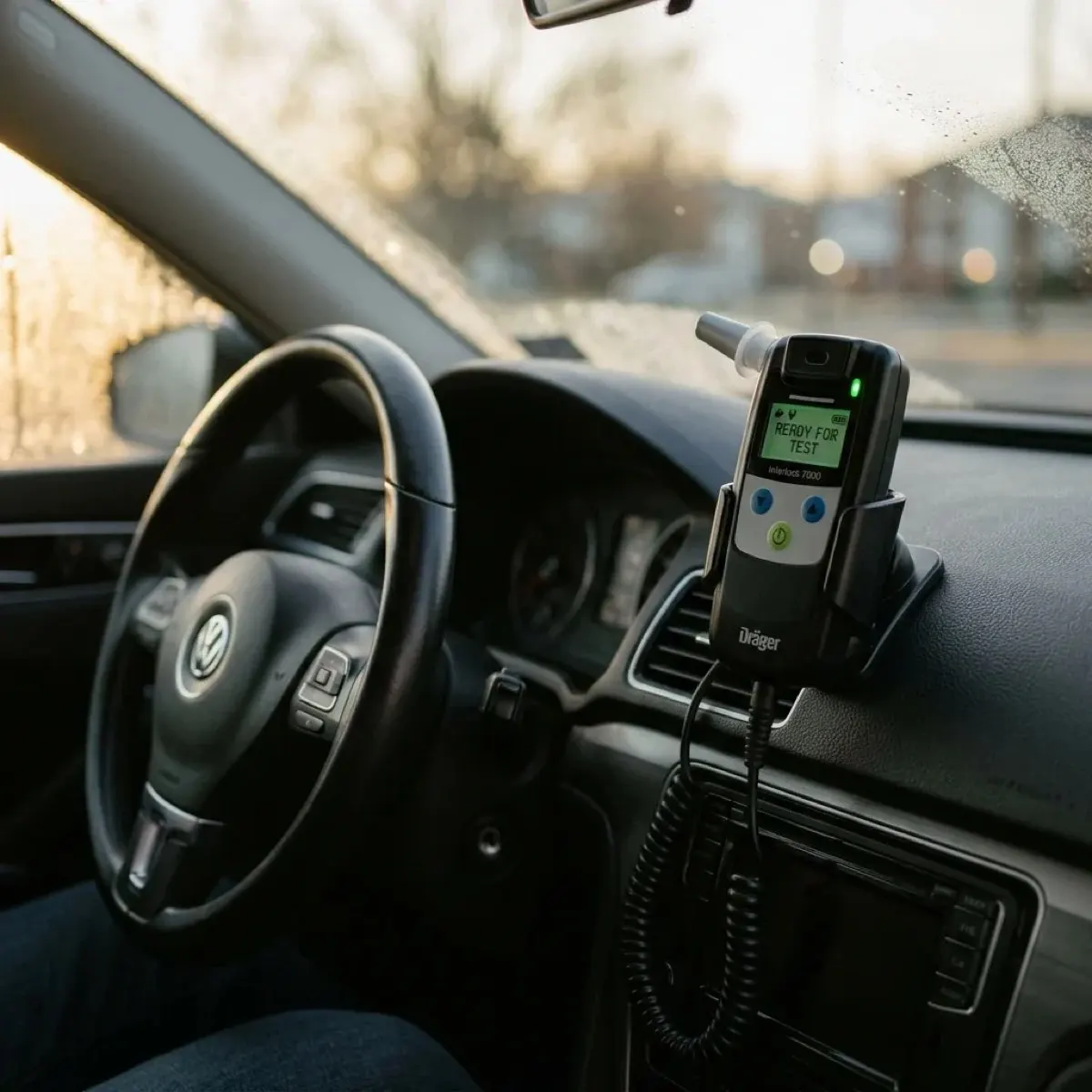
Here is when you can expect interlock camera pictures to be taken:
- At startup. When you blow into the device to start your car, the camera captures an image of the person providing the sample.
- During rolling retests. Interlock programs require periodic retests after the engine is running. Each ignition interlock rolling retest is photographed the same way, including when you pull over to complete it.
- When a test is failed, missed, or skipped. The image attached to that event shows monitoring authorities who was behind the device at the time, which can work in your favor if someone else was driving your car.
Images are stored, captured, and supplied to monitoring authorities as needed depending on your state’s ignition interlock program requirements. Between tests, the camera sits idle. It does not run continuously, and there is no live feed.
What Does the Interlock Camera Look Like in Your Car?
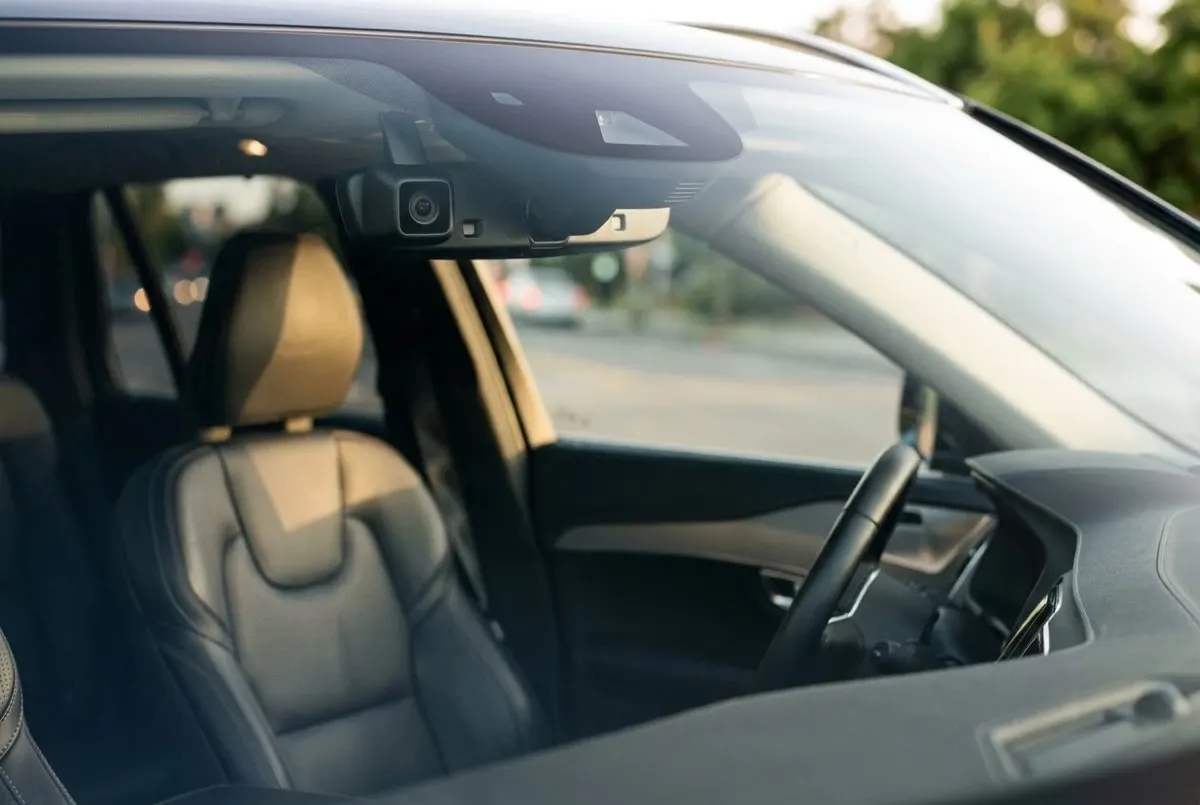
Most interlock cameras are small units, roughly the size of a compact dashcam, mounted where they have a clear view of the driver’s seat. Typically, the camera is mounted on the windshield and captures the images of the person required to use an ignition interlock device. Some sit near the rearview mirror instead; your installer positions it based on your vehicle’s layout and your state’s rules.
From outside the car, the camera reads as ordinary tech clutter. Passengers and other drivers see something that could just as easily be a dashcam or a toll transponder. If you searched “how to hide an ignition interlock camera” out of embarrassment, there is a better answer than hiding it: the equipment is already discreet. RoadGuard’s device pairs a sleek, discreet design with a camera unit that does not announce itself, so the setup draws far less attention than most people fear.
One thing you should never do is reposition it. Drivers should never move or disrupt the view of the camera. Moving it, blocking it, or unplugging it can register as a tampering event, and tampering is one of the fastest ways to pick up a program violation.
What the Camera Does Not Record
An interlock camera is not a surveillance system. It captures still images at test time and nothing in between.
A few worries come up again and again, so here is what the camera is not doing:
- It is not recording video of your drive. The camera activates for breath tests. Your conversations, your passengers’ behavior, and your route are not being filmed.
- It is not built to capture audio. Interlock cameras are designed to photograph the person testing, not to record sound. If you want to confirm exactly what your specific model captures, your provider can tell you.
- It is not tracking where you go. The camera itself takes pictures, nothing more. GPS is a separate, optional module that some states or programs require; if yours does, your provider will tell you at installation.
- It is not judging anything except identity. The photo exists to answer one question: did the right person provide this breath sample?
Who Can See Your Interlock Camera Pictures?
Interlock camera pictures go to the monitoring authority overseeing your program, such as your state’s licensing agency, the court, or a probation officer, along with your test results. They are not public, and they are not posted anywhere.
In practice, most images are never looked at individually. Reviewers pull up photos when something needs explaining, such as a failed or missed test, or a test result that does not match your usual pattern. A clear photo of a sober, compliant driver is the most boring evidence in the file, and boring is exactly what you want.
Privacy questions around interlock data go deeper than one article section, including who owns the images and how long they are kept. We cover that in detail in our guide to interlock privacy and who owns your IID camera and GPS logs.
Interlock Camera Violations and How to Avoid Them
A camera violation happens when the camera cannot verify who took a test, usually because the lens was blocked, the unit was moved, or the photo shows someone other than the required driver testing improperly. Violations, such as moving the ignition interlock camera, could be a reportable violation depending on your state’s interlock program.
The most common camera-related violations look like this:
- An obstructed or covered lens. A hung air freshener, a phone mount, a sunshade left in place, or anything else blocking the camera’s view of the driver’s seat.
- A moved or disconnected camera. Even accidental bumps that point the lens away from you can flag as tampering.
- Someone else providing your sample. Having a friend blow into the device is circumvention. The camera exists specifically to catch this, and it does.
- Testing out of frame. Leaning out of the camera’s view while blowing can make an otherwise clean test unverifiable.
Avoiding all of this is mostly habit: keep the lens clear, stay in your normal seating position while testing, and never let anyone test for you. If you do get flagged, or your device locks you out, our lockout and violation support page walks through what to do next. Consequences vary by state and program, so check your program rules rather than assuming the worst.
Do All States Require Interlock Cameras?
No. Camera requirements are set state by state, and sometimes program by program. Many states require a camera with every ignition interlock device, while others make it optional or apply it only to certain offenders.
Tennessee, for example, requires every ignition interlock device to include a camera, and the list of states with similar rules has grown steadily over the past decade. Because requirements differ and change, the Governors Highway Safety Association’s state law overview is a useful starting point, and your monitoring authority or court order is the final word on what your program requires.
The direction of travel is clear, though. Photo verification makes interlock programs more reliable, and public health agencies list ignition interlocks among the proven measures for preventing impaired driving. Cameras strengthen the part of the system that everyone, including you, benefits from: proof that the program is working as intended.
Can Other People Drive Your Car with a Camera-Equipped Device?
Yes. A camera does not change who may drive your vehicle; it only documents who takes each test. You can allow friends and family members to use your car, but they will have to learn how to use the ignition interlock device, and they will be photographed.
That photo record actually protects you. If a family member fails a test in your car, the image shows your monitoring authority that you were not the one testing. Any test tied to your device still lands in your record, so make sure anyone borrowing the car takes the process seriously. Our guide on other people driving a vehicle with an ignition interlock device covers the ground rules to set before handing over your keys.
Interlock Camera Installation and Cost
The camera is installed during the same appointment as your interlock device, and any camera-related cost is typically folded into your program pricing rather than billed as a surprise extra.
Installation is handled by a trained technician who mounts the camera, confirms it has a clear view of the driver’s seat, and shows you how to test correctly before you leave. Whether a camera is included, and what it adds to your monthly cost, depends on your state’s requirements and your program. Cameras may not be offered or required in all areas, so ask when you schedule your installation.
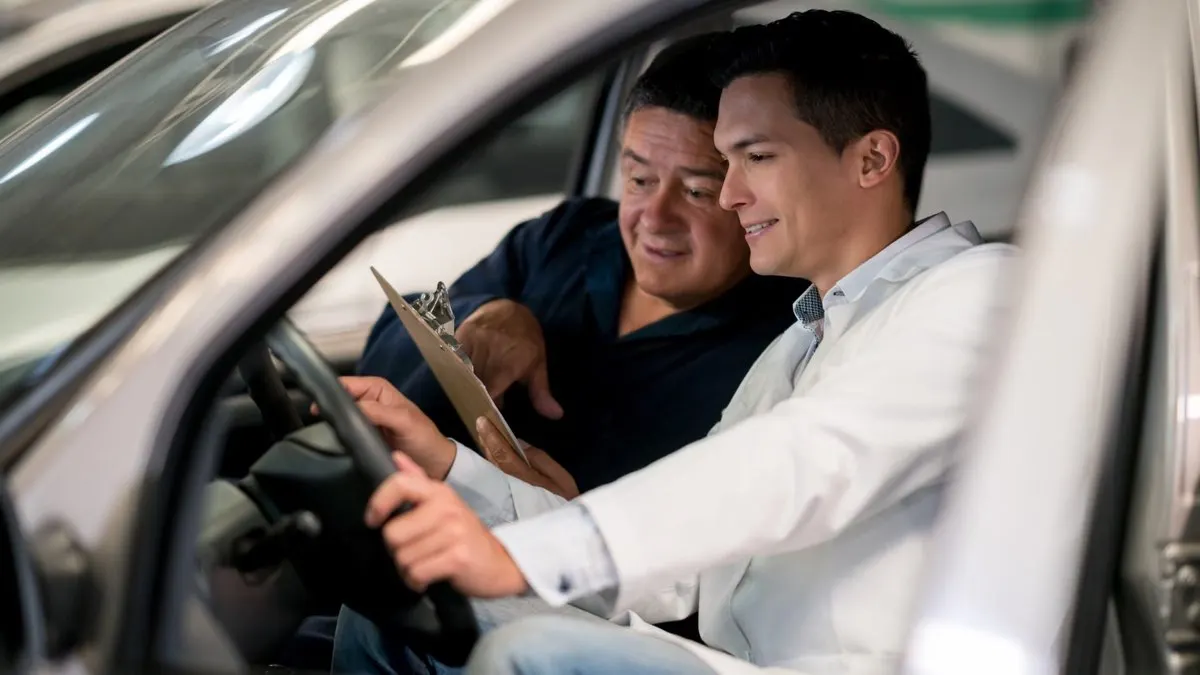
Living with the camera day to day is less dramatic than most people expect. After the first week, most drivers report that testing on camera becomes as routine as buckling a seatbelt. For a fuller picture of the daily routine, see our guide to living with an ignition interlock device.
Frequently Asked Questions About Ignition Interlock Cameras
Do all ignition interlock devices have cameras?
No. Whether your device includes a camera depends on your state and program requirements. Many states require cameras on every installed device, while others do not. RoadGuard’s Dräger Interlock 7000 comes with a camera, so if your program requires photo verification, you are covered without extra equipment decisions. Check your court order or ask your monitoring authority to confirm what your program requires.
Is the interlock camera always recording?
No. The camera takes still pictures when a breath test happens: at startup, during rolling retests, and when a test is failed or missed. It does not record continuously, and it has no live feed. Between tests the camera is simply idle, so your normal driving, conversations, and passengers are not being captured.
Does the interlock camera record audio?
Interlock cameras are designed to capture still photos of the person testing, not audio. Their single job is identity verification, so sound recording is not part of how these systems work. If you want certainty about your exact model, your provider can walk you through precisely what it captures and when.
What do interlock camera pictures show?
Each picture shows the person providing the breath sample, framed from the camera’s mount on or near the windshield. The image is stored with that test’s result, date, and time. It shows enough to confirm identity. It is not a wide-angle recording of your whole car or your surroundings.
What happens if I get an interlock camera violation?
It depends on your state and program. A camera violation is typically reported to your monitoring authority with the rest of your data, and consequences can range from a warning to an extended program, depending on the circumstances and your history. If you believe a violation was flagged in error, contact your provider promptly; the photo record often helps clear up honest mistakes.
Can I hide or cover the interlock camera?
No. Covering, blocking, moving, or disguising the camera can be treated as tampering, which is a reportable violation in most programs. If discretion is the worry, take heart: the camera is small and reads like an ordinary dashcam to anyone glancing in. Keeping it untouched and doing your tests normally is the fastest route back to unrestricted driving.
Who reviews my interlock camera pictures?
Images go to the monitoring authority handling your case, such as your state licensing agency, court, or probation officer, along with your test data. In most programs, photos are reviewed when something needs verification, like a failed or missed test, rather than browsed routinely. The pictures are program records, not public documents.
Will the camera photograph my passengers?
The camera is aimed at the driver’s seat to capture the person testing, so passengers are not its subject. Someone sitting close by might appear at the edge of a frame, but images are only taken at test time and are used solely to verify who provided the sample.
Does the interlock camera track my location?
No. The camera takes pictures; it does not track movement. GPS is a separate, optional module that some states or programs require alongside the interlock. If your program includes GPS monitoring, your provider will tell you at installation, and our privacy guide explains who can access that data.
How much does an ignition interlock camera cost?
Camera costs vary by state and program, and where a camera is required it is generally built into your overall interlock pricing rather than charged as a standalone device. Installation, monthly lease, and service fees differ by location, so the most reliable number comes from a direct quote for your state and vehicle.
Can someone else blow into the device for me?
No, and the camera is the reason it does not work. Every sample is photographed, so a substituted breath test is documented rather than hidden. Circumvention is a serious program violation that can extend your interlock period or bring new penalties. If someone else is legitimately driving your car, they test for themselves, on camera, like any driver.
The Camera Is on Your Side
Once you know the ignition interlock camera only works at test time, it stops feeling like a watchful eye and starts feeling like what it is: proof that you are doing everything right. Every clear photo is a small piece of evidence building toward the end of your program.
If you need an interlock device with a camera, RoadGuard can help you get set up quickly, with same-day installation available in many locations. Find a location near you or call 1-833-545-0368 to get started.
Disclaimer: This article is provided by RoadGuard Interlock for general informational purposes only and is not legal, financial, or medical advice. DUI and ignition interlock laws, penalties, fees, and program requirements differ from state to state and county to county, and they can change at any time. Any costs, timelines, or figures mentioned are general estimates rather than quotes or guarantees. Please do not rely on this article as a statement of the law where you live. Confirm current requirements with your state DMV, the court handling your case, a licensed attorney, or RoadGuard Interlock directly before making decisions. Device features, pricing, availability, same-day installation, and any promotions referenced are subject to change, vary by location, and may not be offered in every state RoadGuard Interlock serves.