
What Is VASAP? How Virginia’s ASAP Program Works With Your Ignition Interlock
Disclaimer
The information in this blog is for general informational purposes only. Information may be dated and may not reflect the most current developments. The materials contained herein are not intended to and should not be relied upon or construed as a legal opinion or legal advice or to address all circumstances that might arise. You should contact your attorney to obtain advice with respect to any particular legal matter. Only your individual attorney can provide assurances that the information contained herein – and your interpretation of it – is applicable or appropriate to your particular situation. Links to any third-party websites herein are provided for your reference and convenience only; RoadGuard Interlock does not recommend or endorse such third party sites or their accuracy or reliability. RoadGuard Interlock expressly disclaims all liability regarding all content, materials, and information, and with respect to actions taken or not taken in reliance on such. The content is provided “as is;” no representations are made that the content is error-free.
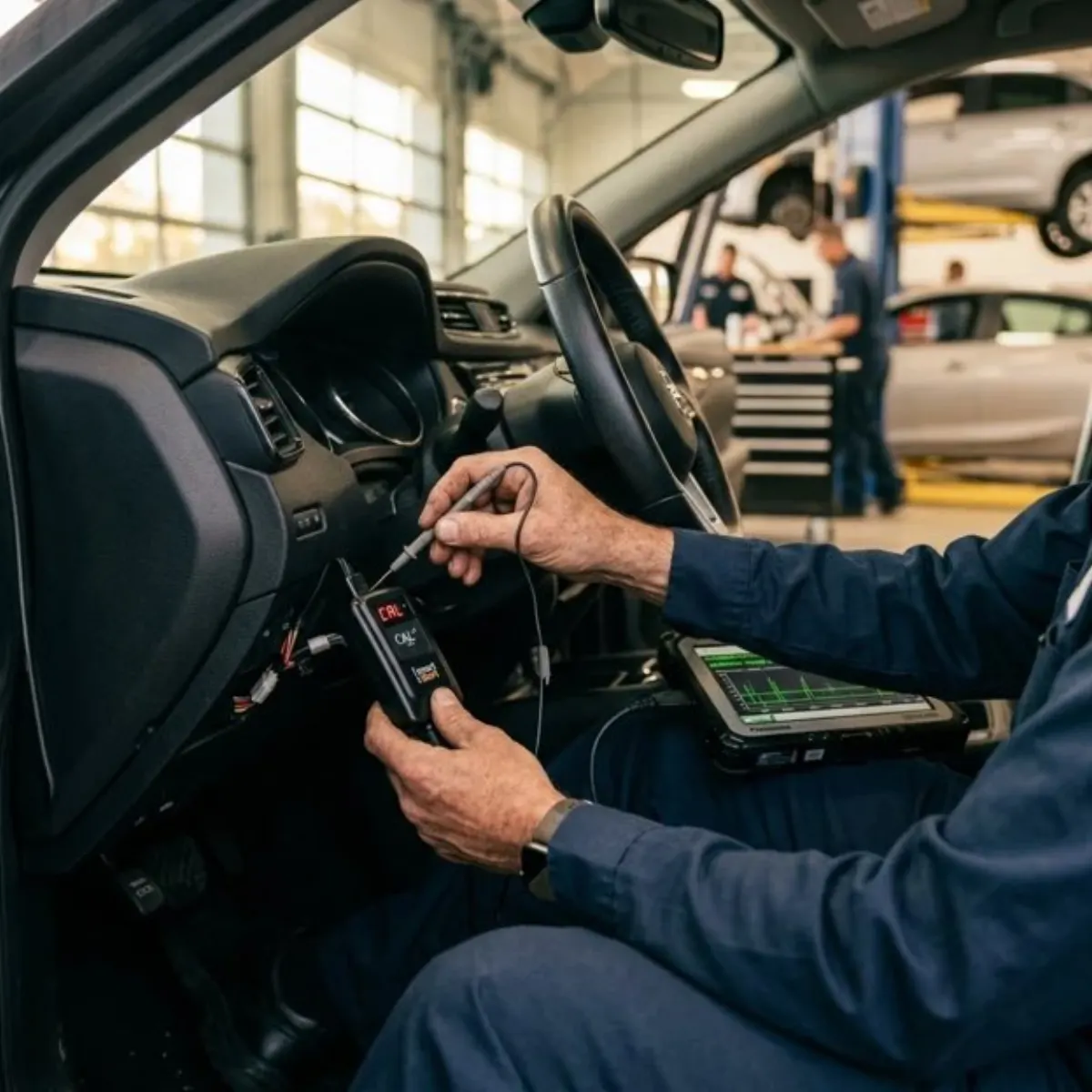
VASAP is the Virginia Alcohol Safety Action Program, a statewide system of local ASAP offices overseen by the Commission on VASAP. Courts refer people convicted of DUI to their local ASAP, which handles enrollment and intake, assigns education or treatment, and supervises the case until it closes, including the interlock records when an interlock is part of the order.
If a judge has referred you, you’re probably holding a court order, a restricted license with an interlock condition and a list of offices to call. The ASAP referral is usually the least familiar item on that list.
The two requirements run side by side. Your ASAP case manager supervises the program, and your interlock service center keeps the device working and records every test. Knowing who does what keeps you from missing a step on either side.
Who Runs VASAP? The Commission and Your Local ASAP
The Commission on VASAP runs the statewide system, and your local ASAP office runs your case. The Commission on VASAP oversees the local programs, sets up the client portal where enrollment starts, and handles complaints that a local office can’t resolve.

Virginia law requires people convicted of DUI to enroll in and complete an ASAP, so the referral in your court order isn’t optional. You first report to the ASAP that serves the jurisdiction where the offense and conviction happened. Once you’ve enrolled there, your case can usually be transferred to an ASAP near where you live, work or go to school.
Local ASAPs also run other court-referred programs, such as driver improvement and reckless driving classes, but for a DUI referral their main job is probation-style oversight. The local office is where the day-to-day work happens. Staff enroll you, assign a case manager, schedule your classes or point you to a treatment provider, and act as the go-between with the court. When you finish, the ASAP reports your completion to the DMV electronically.
Four offices handle different parts of your case:
|
Who |
What they handle for you |
|
Commission on VASAP |
Statewide oversight of the local programs, the online client portal, complaints a local office can’t settle |
|
Your local ASAP and case manager |
Enrollment, intake, classification, classes, supervision, interlock authorization, reports to the court and DMV |
|
Your interlock service center |
Installation, monitoring and calibration visits, device data downloads, removal |
|
The court |
The original order, the terms of your restricted license, and any decision about noncompliance |
How VASAP Intake and Classification Work
Intake is the appointment where your case manager decides which track you’ll follow. It comes right after enrollment, and in some offices both happen the same day.

At enrollment you’ll typically complete an offender questionnaire, consent forms and a participation agreement, and you may watch an orientation video. Bring copies of everything the court, the police and your attorney gave you, such as summonses, court orders and your restricted license, plus a photo ID and your vehicle registration. You’ll need the registration if you have an interlock requirement, because the ASAP uses your vehicle details to authorize the installation.
At intake, the case manager goes through your case and your questionnaire answers, then uses screening criteria to classify you. The result is one of two tracks:
- Education: you’re scheduled into the ASAP’s intensive education classes, which are in person and mandatory.
- Treatment assessment: you choose a treatment provider from an approved directory, and that provider assesses whether you need substance abuse treatment. If treatment is recommended, you follow the provider’s plan and also attend an ASAP treatment education class.
The case manager also reviews your probation conditions and helps with other requirements, including the interlock. Your local ASAP can tell you exactly what your track involves, and the general shape of DUI education and counseling programs looks similar across most states.
One more detail from intake applies for the whole program. You can be breath tested at any ASAP appointment or class, and if the court issued an abstinence order, you can’t drink at all while you’re under supervision.
Where Does the Ignition Interlock Fit in VASAP?
If your restricted license includes an interlock condition, your ASAP supervises the interlock along with everything else. Virginia law puts you under ASAP supervision for the period the court ordered the interlock and requires the device to be monitored and calibrated at least every 30 days by an entity approved by the Commission, with proof of each visit.

Getting the device installed starts with your ASAP office, not the installer. You give your case manager your choice of interlock service provider and your vehicle information, the ASAP verifies the requirement and authorizes the installation, and then you book the installation appointment at one of the ignition interlock service centers in Virginia. The installer trains you on the interlock device at that first visit, and anyone else who’ll drive the car should come along for the training.
After installation, each service visit produces the records your ASAP reviews. At each interlock calibration appointment, the technician downloads the device’s data log, checks the device and recalibrates it. The log records your breath alcohol result at every start attempt and rolling retest, along with any attempt to tamper with or get around the device. Service providers send that data to monitoring agencies through interlock reporting for monitoring authorities, and in Virginia the agency reading it is your ASAP.
Violations such as a failed test, a missed retest, a missed service visit or tampering are reported to your ASAP case manager, and the ASAP is the program’s link to the court. What follows from a report is up to the people handling your case, so bring any report that concerns you to your case manager or attorney.
Four habits cover your part of the interlock side:
- Keep every service appointment. Book the next visit before you leave the current one.
- Keep your paperwork. Save installation papers, service receipts and repair-shop receipts in one folder.
- Call interlock support before any vehicle change. Buying, selling, repairing or registering another vehicle can affect your requirement, so call your provider and tell your case manager before it happens.
- Ask about medical needs early. If a health condition limits how much breath you can give, ask your case manager how to submit a physician’s statement.
The interlock condition also ties into your license itself, and the steps for getting a restricted license with an interlock run through the DMV as well as the court.
How to Keep ASAP Appointments and Interlock Visits on Track
Your ASAP schedule and your interlock service schedule are separate, and neither office books appointments for the other. You’re the only person holding both calendars.

Class attendance is mandatory except for emergencies the ASAP accepts, and active participation counts. Arriving late, leaving early or skipping assignments can be treated as noncompliance. Your case manager works with you on class times and locations, so raise work or childcare conflicts at the start rather than after you’ve missed a session.
A few habits make the two schedules easier to hold:
- Put every ASAP class, check-in and interlock service date into one calendar on your phone, with a reminder a few days ahead.
- Keep the ASAP office number and your interlock provider’s support number saved under clear names.
- Tell your ASAP right away if your phone number, email or address changes, and update the DMV and the court for an address change too.
- Ask your case manager before you plan a move, since a transfer mid-class can mean starting the classes over.
If an interlock service visit might slip, call your interlock provider’s support line before the appointment date, not after. For RoadGuard Interlock clients, that number is 1-833-545-0368. Support can look at your schedule and your options while there’s still time to act. For an ASAP class or check-in you can’t make, call your case manager as early as you can and ask how the office handles a missed session.
What Happens If You Don’t Complete VASAP?
When someone doesn’t complete the program, the local ASAP reports the noncompliance to the court that referred the case, and the court handles it from there. Reports can follow missed classes, a positive breath test at an ASAP appointment, interlock violations or failing to enroll on time.
Outcomes vary from court to court, and no one can tell you in advance how a particular judge will respond. If you’re falling behind, talk to your case manager and your attorney before a report goes out. Both can explain the options that exist in your case.
How Much Does VASAP Cost and How Long Does It Take?
VASAP fees and program length are set by the program and depend on your classification and your court order. The ASAP keeps a list of its approved fees, and payment is generally due at enrollment, though the office can set up a payment plan if you can’t pay in full.

Several costs sit outside the ASAP fee. If you’re classified to treatment assessment, you pay the treatment provider directly for the assessment and any treatment. Your interlock is billed separately by the interlock provider for installation, monthly service and removal. The ASAP won’t report your successful completion to the DMV until every unpaid ASAP balance is cleared, so paying it off keeps the completion report from being held.
Your supervision period generally follows the length of your license suspension, and you stay under ASAP supervision after your classes or treatment end, until that period is over. The interlock period is set by the court order and runs on its own terms, and the steps for interlock removal are confirmed separately with the court or the monitoring authority. The Commission’s FAQ page lists current fees and general timing, and your case manager can give you the dates that apply to you.
Frequently Asked Questions About VASAP
What does vasap stand for?
VASAP stands for the Virginia Alcohol Safety Action Program. The “V” is for Virginia, and the local offices that carry out the program are usually called ASAPs, often with a regional name in front. The Commission on VASAP is the state agency over the whole system, so you may see “VASAP” on statewide forms and “ASAP” on the letterhead of the office that handles your case.
How to enroll in ASAP?
Start with the ASAP that serves the jurisdiction where your offense and conviction happened. Enrollment begins online through the client portal on the Commission’s website, and your local office then completes it with you. Enroll as soon as the court refers you, because Virginia sets a short deadline after conviction and a late enrollment can be refused and reported to the court.
How long is Vasap in VA?
Your court order and your classification set the dates, so the answer is different for each person. Education students are assigned to the first available class session after intake, and treatment cases run on the provider’s plan. Supervision continues after the classes end, until your suspension period is over. Your case manager can confirm your own start and end dates at intake.
How much does Vasap cost in Virginia?
The standard ASAP fee is listed on the Commission’s FAQ page, and your local ASAP can give you its full list of approved fees, including charges for things like rescheduling. Treatment costs, if you’re referred for treatment, are paid to the treatment provider. Interlock costs are billed by the interlock provider, so plan for three separate bills rather than one.
Where can I find VASAP classes in Virginia?
Classes are held by the local ASAP offices, and your case manager assigns you to a session after intake. The Commission’s website has a directory of local ASAPs and their service areas. Some areas offer more class times than others, so tell your case manager about work hours or travel limits early, when there’s still room to pick a schedule that fits.
Can you take VASAP online?
ASAP intensive education classes aren’t offered online. You attend in person, and classes are closed to family and friends. If you live outside Virginia, the ASAP still supervises your case, and your case manager helps you find comparable services in your home state. Get approval from the ASAP before you attend any out-of-state program.
Does Virginia ASAP drug test?
The ASAP itself drug tests only when the court orders it, and you pay any testing costs. A treatment provider can drug test you as part of its plan without a court order, and positive results go to the ASAP and the court. Breath testing for alcohol is different: you can be breath tested at any ASAP appointment or class.
Do I have to own the vehicle I’m putting my interlock system in or does my name just have to be listed as a driver?
You don’t have to own it. In Virginia, you may have the interlock installed in a friend’s or family member’s vehicle, but the installer needs the owner’s consent on the VASAP consent form, either notarized or signed in front of the technician. Everyone who’ll drive the vehicle should attend the installation so they’re trained on the device. Ask your case manager which form applies.
Schedule Your Interlock Installation in Virginia
Once your ASAP authorizes the interlock, the next step is getting the device installed and on a service schedule you can keep. RoadGuard Interlock has service locations in Virginia and a device with a sleek, discreet design and a simple blow-suck breath test. Same-day installs are available in many locations. Find a Virginia installation location and book the appointment your case manager authorized.
Disclaimer: This article is provided by RoadGuard Interlock for general informational purposes only and is not legal, financial, or medical advice. DUI and ignition interlock laws, penalties, fees, and program requirements differ from state to state and county to county, and they can change at any time. Any costs, timelines, or figures mentioned are general estimates rather than quotes or guarantees. Please do not rely on this article as a statement of the law where you live. Confirm current requirements with your state DMV, the court handling your case, a licensed attorney, or RoadGuard Interlock directly before making decisions. Device features, pricing, availability, same-day installation, and any promotions referenced are subject to change, vary by location, and may not be offered in every state RoadGuard Interlock serves.